"Maintain a critical perspective"
03.11.2026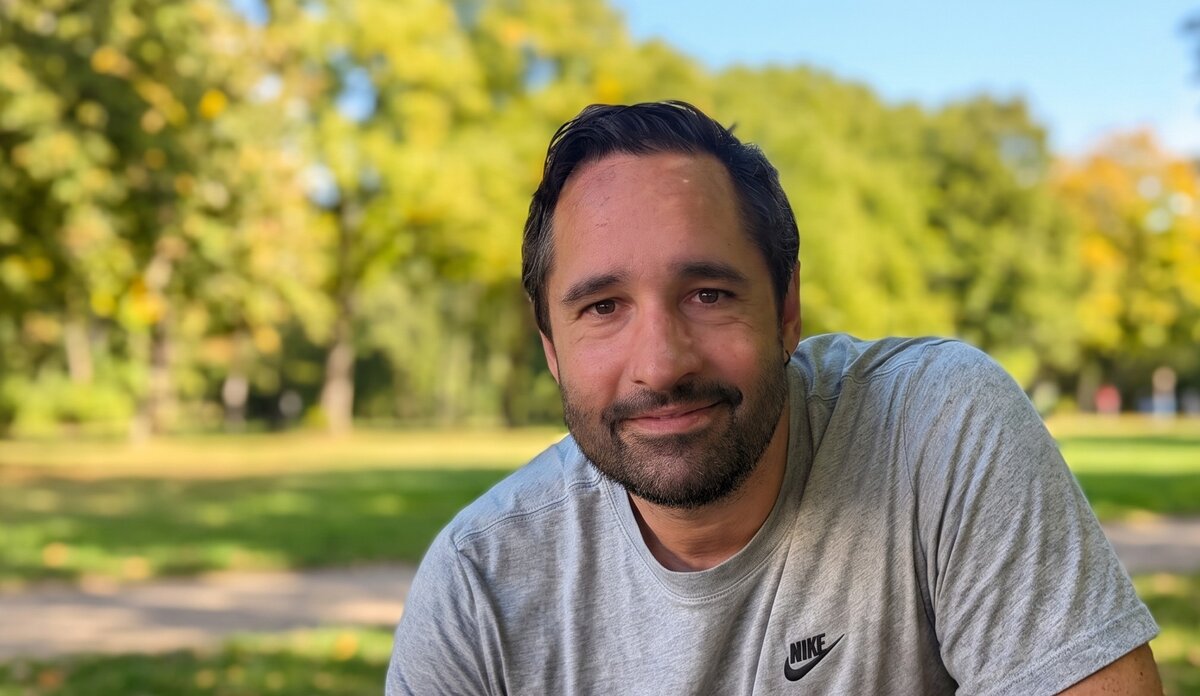
Why did you decide to study Social Work?
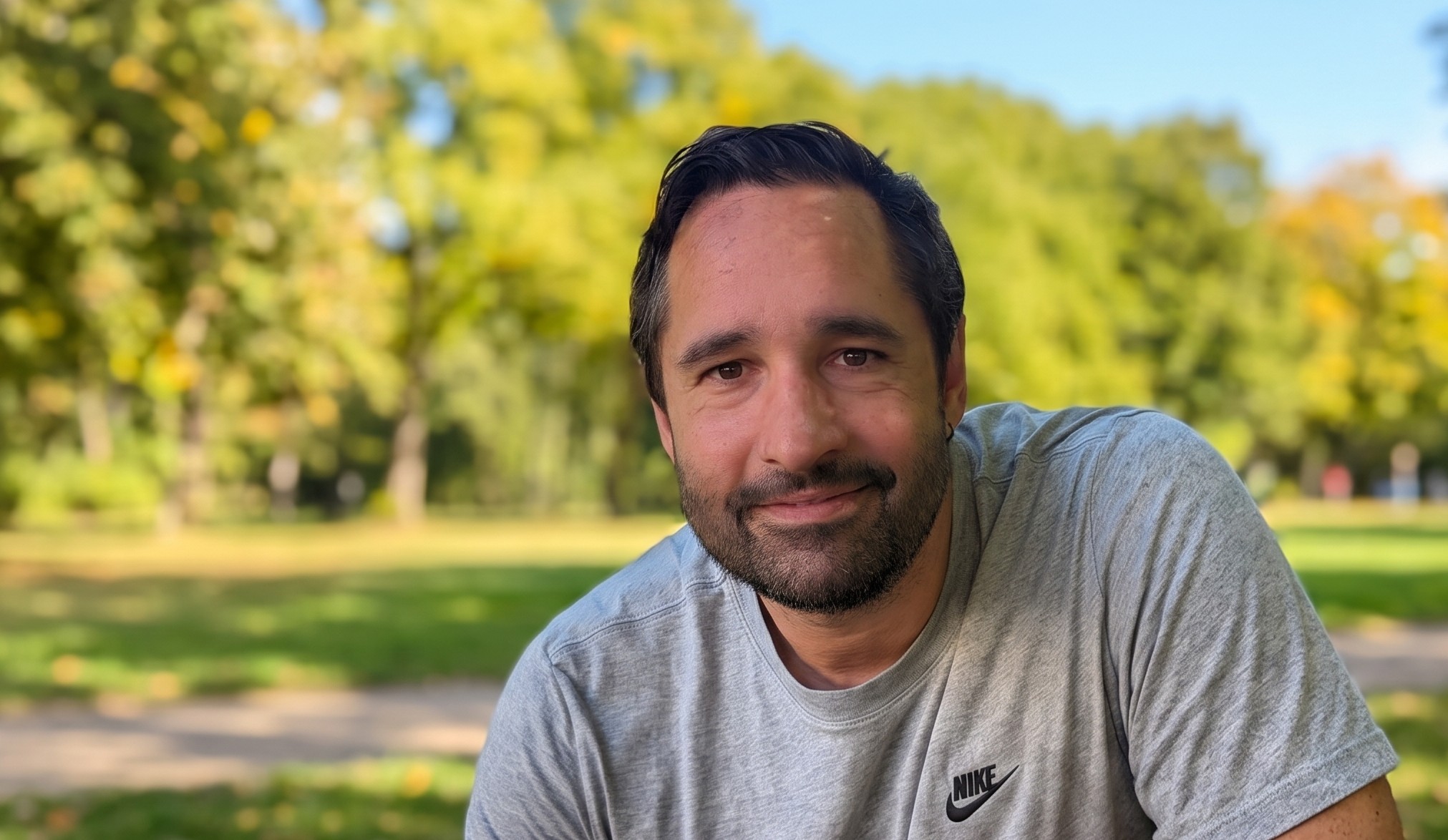
Alexander Wachter: At the time, I was working as a police officer in the sexual crimes unit and was looking for ways to further my professional training in victim protection. As part of my work, I had a pivotal conversation with a victim protection counselor at ifs Kinderschutz. She told me about the then-new part-time studies in Social Work. At first, I had no idea how broad and multifaceted this program was or how profoundly it would change my professional practice—a foundation from which I benefit enormously today in my daily work in child protection.
What advice do you give to people who are just starting their studies?
Alexander: Be open to everything! Don’t approach your studies with the mindset of passively consuming knowledge. Instead, see it as an opportunity to actively shape your learning, discover new things, and develop your own ideas. Get involved, see what truly captivates you, and delve deeply into these topics. Use your studies as a tool for your own personal and professional journey. Especially in the psychosocial field, we need people who don’t just learn theories but courageously put them into practice.
What makes you feel like you’ve chosen the right career?
Alexander: It’s this deep sense of coherence. In both child protection and media prevention, situations are often complex and demanding. When, at the end of the day, I realize that I’ve been able to deal with these challenges constructively, that effective solutions have been developed, and that I’m truly satisfied with what I’ve accomplished, I know: I’m exactly where I’m supposed to be.
What challenges from your day-to-day work have shaped you?
Alexander: Social Work is strongly shaped by the individual, often highly complex dynamics of clients. One of the major challenges in child protection is maintaining the fine line between empathetic relationship-building and necessary emotional distance. In doing so, I notice time and again that I bring my whole self to the process. It’s important to be aware of this when working in the psychosocial field, as it can be emotionally taxing at times. For me, therefore, open communication within the team and regular supervision are essential for maintaining a healthy and professional work environment over the long term and for continually finding my inner balance.
You also work as a media expert. Why is media prevention important to you?
Alexander: Children and adolescents today naturally grow up in digital worlds—often before they can assess the dangers they pose. At the same time, many parents understandably feel overwhelmed by the rapid pace of change. My experience in police work and systemic Social Work in child protection, combined with my enthusiasm for digital media, has led me to media prevention. I want to provide safety and education where uncertainty often prevails.
What is the most important message you’d like to share with children and teens regarding media?
Alexander: To children and teens, I’d say: Stay curious! Explore digital worlds, but keep a critical eye. Question what you see and read, because media can be manipulative. Even more important is my message to parents: Be aware of the example you set! Reflect on your own media consumption and how often you have your smartphone in your hand. Because when adults are constantly looking at their devices, even young children and babies learn that this screen is of great importance. Then, as a society, we shouldn’t be surprised if children go on to develop problematic or addiction-like media behavior at an early age.
Thank you very much for the interview.
Are you also interested in studying Social Work at FHV? Then find out now about the curriculum, career opportunities, and study options—and take your next career step. Learn more about the bachelor’s degree programme in Social Work and the master’s degree programme in Social Work.
Info box:
Name: Alexander Wachter
Occupation: Child protection counselor and independent consultant in media prevention
Degrees: Bachelor’s and Master’s in Social Work (both from FHV)
Motto: “It’s never too late to turn a dream into a goal.”


