Assessment with AI: More Hands-On Experience, Less Testing of Knowledge
28.10.2026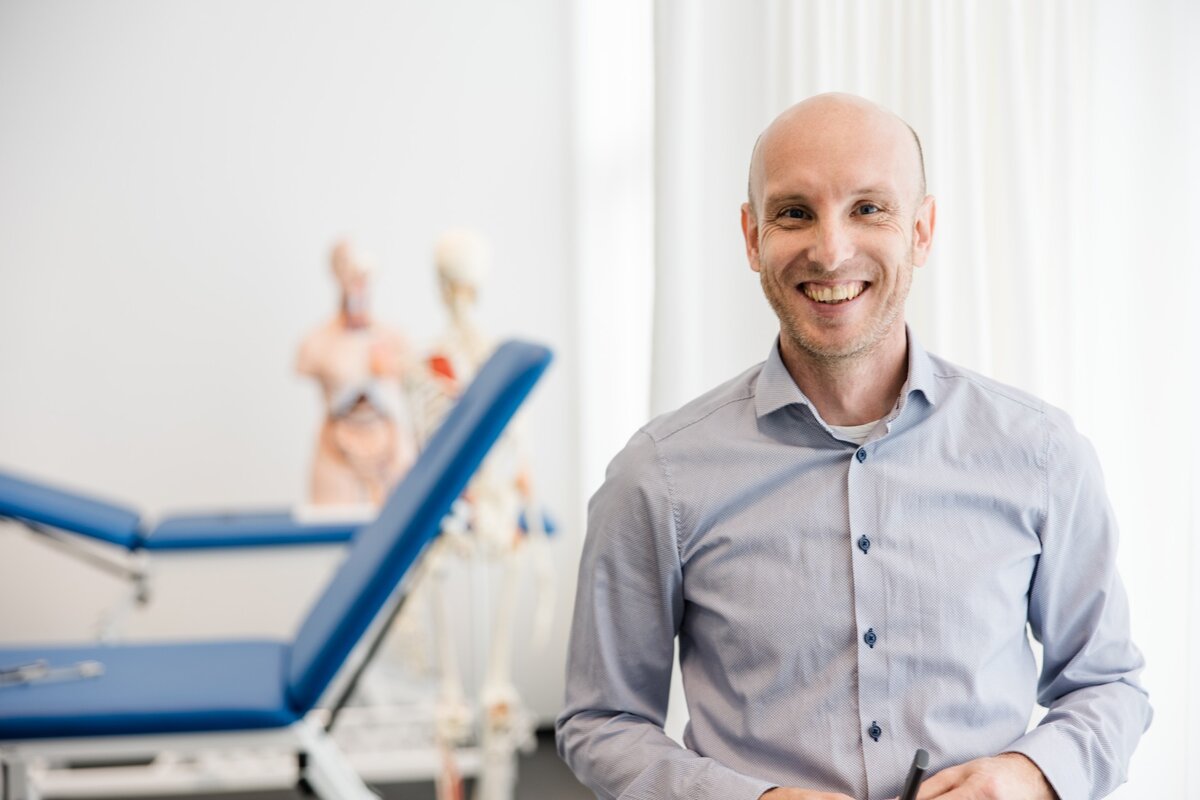
Key Takeaways
- AI literacy is an integral part of modern didactics at FHV.
- Lecturers are using generative AI to develop new teaching formats.
- A new exam format brings even more real-world relevance to the assessment of competencies.
Generative AI also opens up new possibilities for lecturers. Applications such as ChatGPT and Claude are used for everything from course planning to the development of new didactics. An example from the Bachelor’s program in Health Care and Nursing at the FHV demonstrates a successful implementation.
Examinations as a Dialog
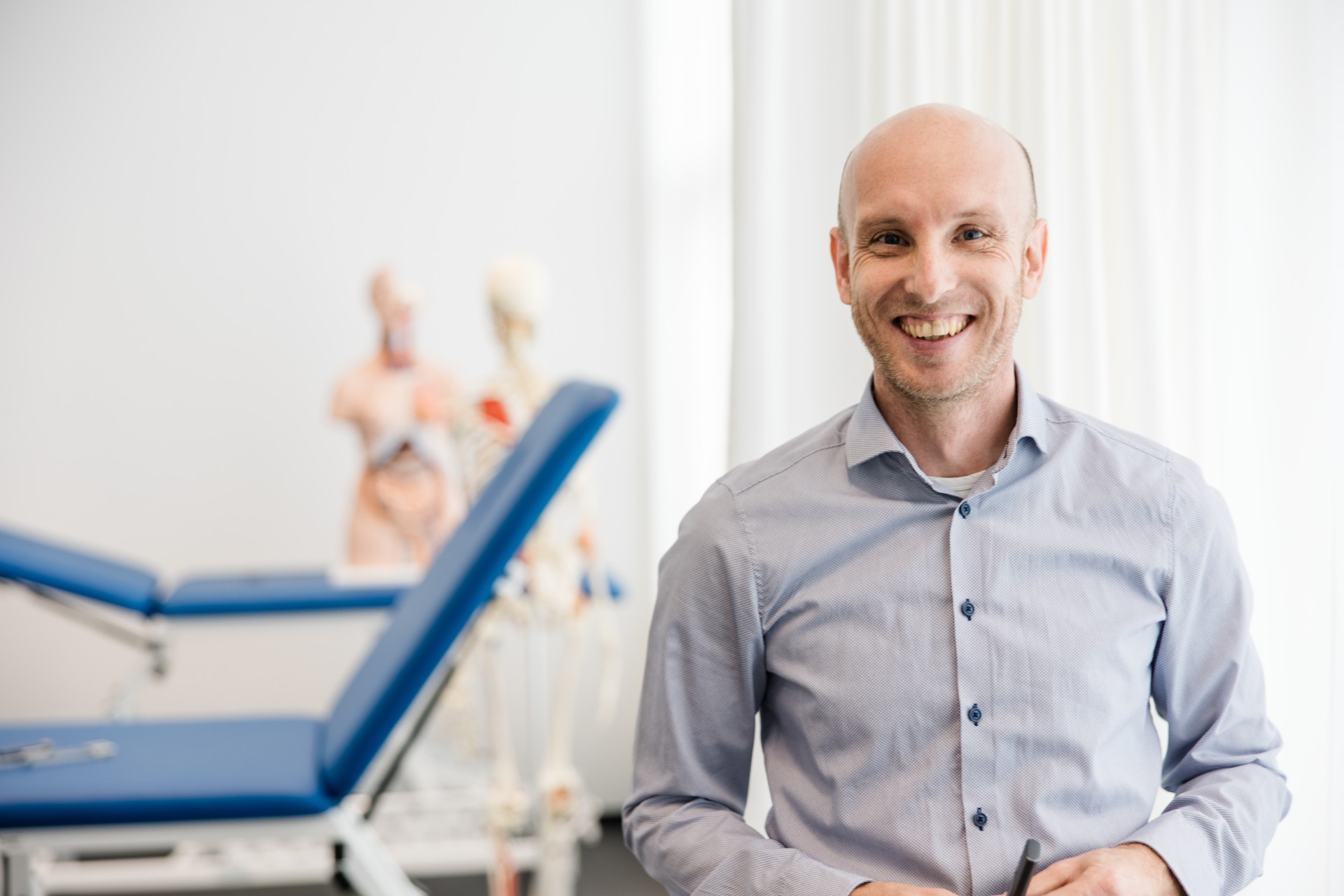
Format Lecturer Peter Jäger, together with lecturer Samuel Ganahl and external lecturer Irene Müller, developed a new format for the final examination through an iterative process. The team received support from Diana Brodda, head of the Department of Social Work and Health and the Health Care and Nursing competence area, as well as from programme director Arno Geiger. The team also utilized generative AI in developing the case descriptions and the structure of the exam format. “The final bachelor's examination is now based on specific cases, for which students address interdisciplinary questions. Unlike the traditional approach of testing knowledge through questions and answers, the examination has now evolved much more into a dialogue format,” explains Jäger.
An anonymized case study illustrates how this works in practice: The focus is on a 10-year-old child with type 1 diabetes whose family is still uncertain about daily management, nutrition, and potential hypoglycemic episodes. Using generative AI, the teaching team developed a multifaceted case description from this starting point, along with exam questions tailored to it. In doing so, students not only analyze nursing and medical aspects but also take into account the child’s age, family environment, cultural influences, and the healthcare situation in rural areas. Instead of merely regurgitating learned knowledge, they must identify connections, derive concrete measures, and justify their decisions during the exam interview. This creates a realistic exam situation similar to what students may encounter later in their professional lives.
Critical Thinking and Self-Reflection
“We are now much better able to assess the competence areas in line with the curriculum requirements. The connection to the case studies is much more application-oriented and challenges students to develop solutions on their own based on what they’ve learned. This means the exam’s design is also considerably more practice-oriented,” summarizes Jäger. The application-oriented approach also fosters future skills such as critical thinking, interdisciplinary collaboration, adaptability, and self-reflection, as well as engagement with diversity. As a result, the focus shifts from mere knowledge to, above all, the ability to apply that knowledge in concrete situations.
Blueprint for New Examination
Formats Before the prototype of the redesigned examination was finalized, the case studies and questions went through several rounds of evaluation. In addition, the lecturers in the degree programme were also involved. Feedback from the examination committee was also solicited and incorporated. The development process proved to be more time-consuming than initially anticipated. “We developed a blueprint for the process so that it would also work for other lecturers and examinations. In reality, however, the final products are still very individualized,” Jäger emphasizes. The feedback from the first cohort of bachelor’s students who took their final examination in this manner has been positive, as Jäger confirms: “They apply their knowledge to real-world situations. Since their program includes a significant practical component, they are very successful at making this transfer.”
AI Competence in Teaching
The further development of higher education teaching and didactics has always been a top priority at the FHV. Professors, lecturers, and lecturers are therefore also intensively exploring the possibilities of generative AI. At the Teaching Excellence & Lifelong Learning Center (TELL) at the FHV, they participate in workshops that address, among other topics, AI in course planning, exam pedagogy, and academic writing.
As a result, AI at the FHV is changing not only how students learn, but also how lecturers design and develop their work.


