International teams are developing innovative wellbeing solutions
28.10.2026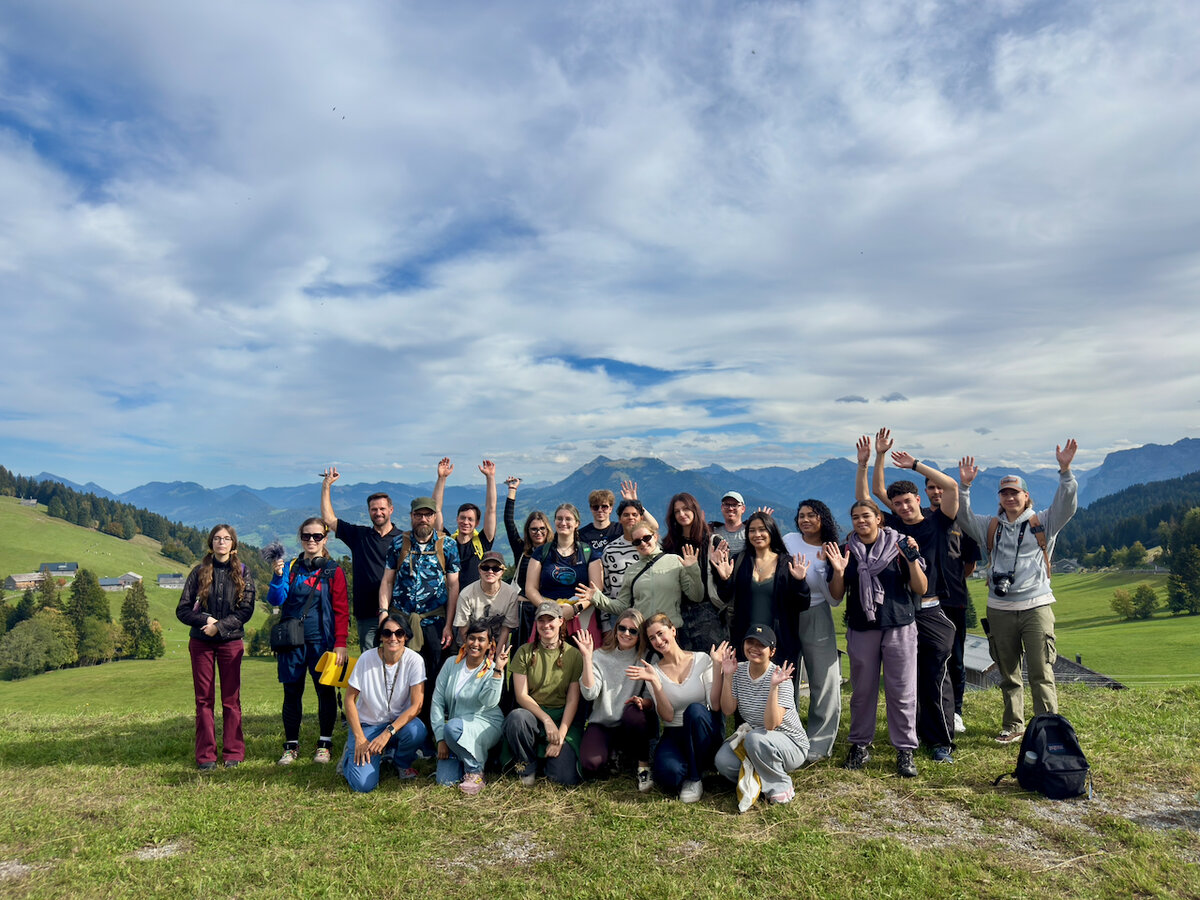
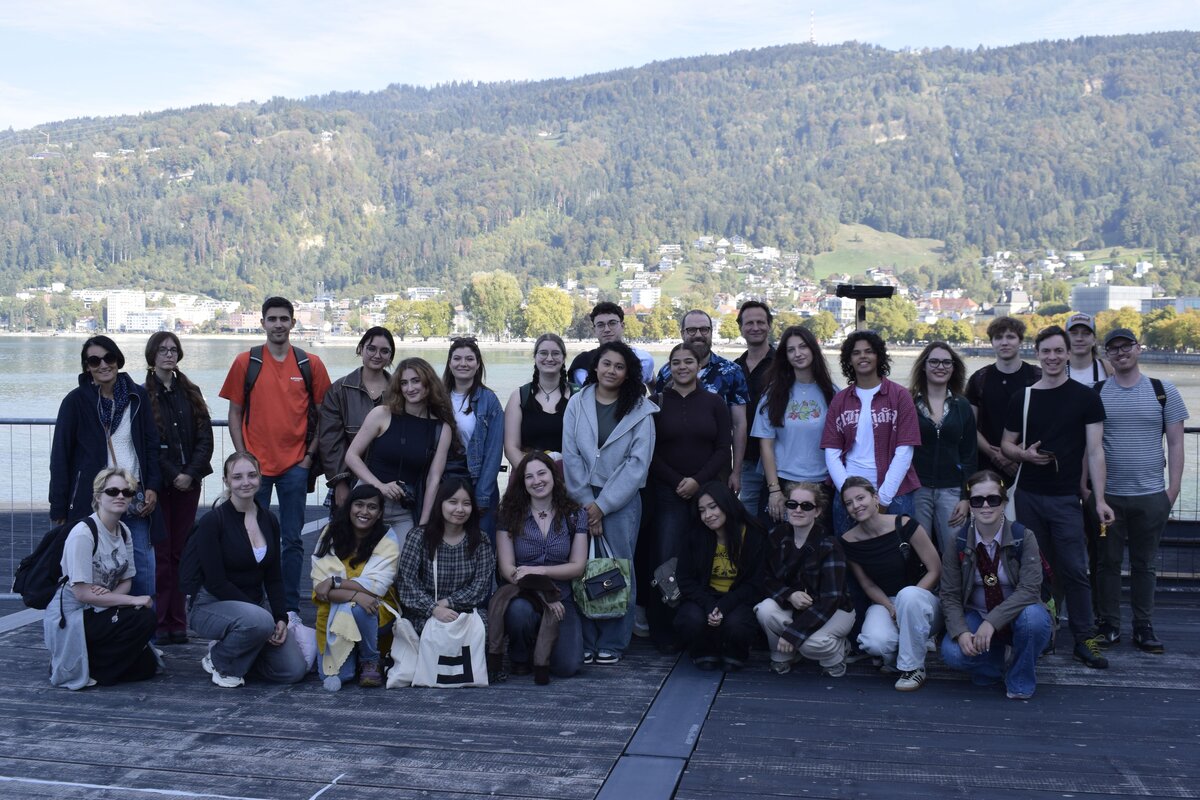
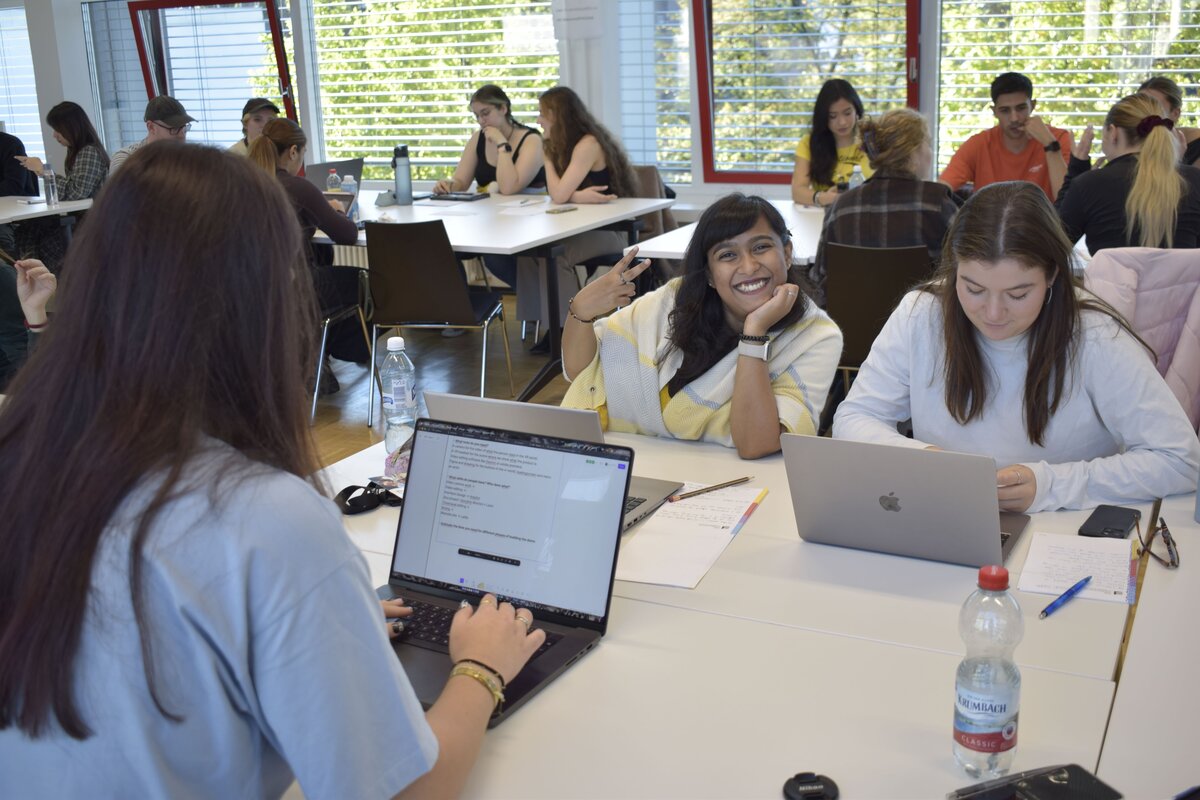
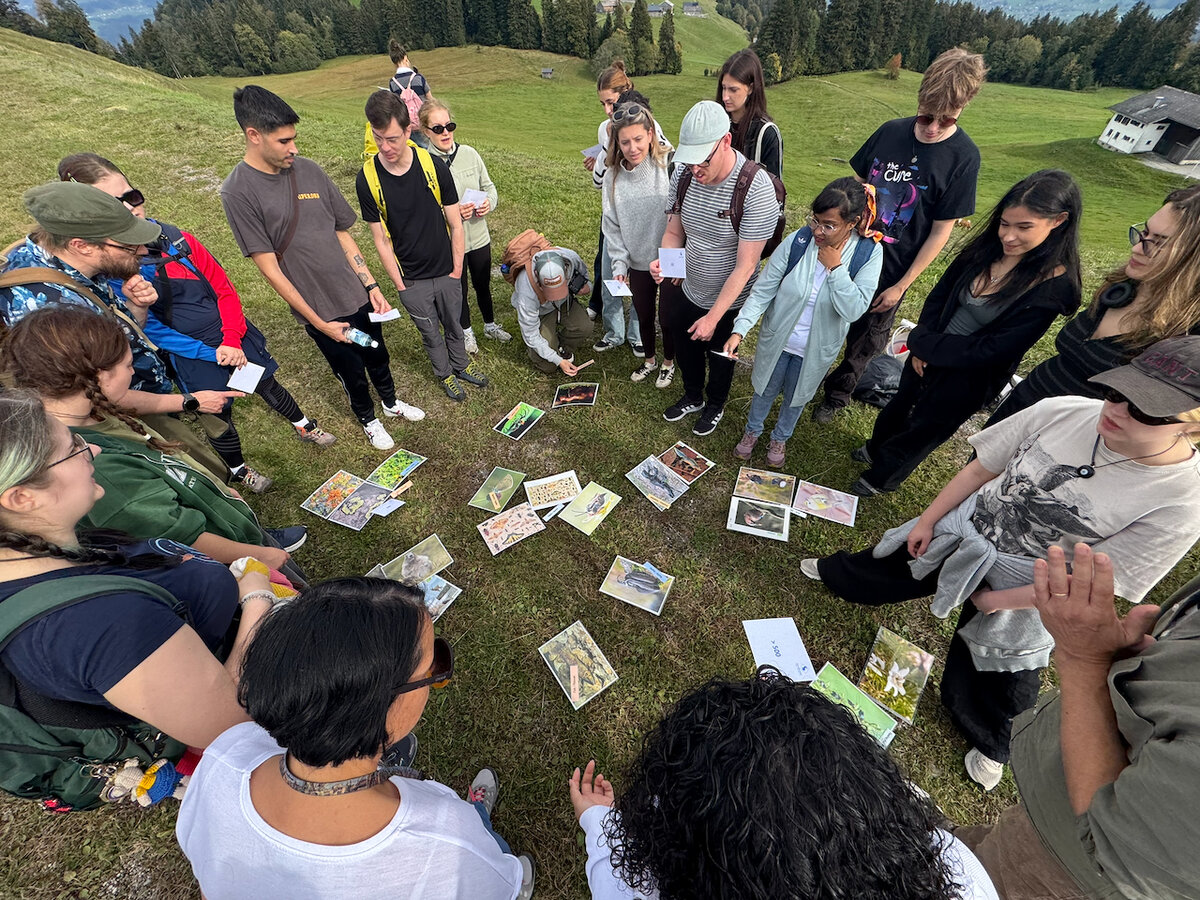
The project kicked off with an online phase during which participants developed initial ideas related to digital well-being. During the contact week at the FHV, five solutions emerged, addressing issues such as social anxiety, concentration problems, and mindful social media use.
Interactive pitches
From virtual reality experiences to apps and physical products: The teams presented their concepts and prototypes in interactive pitches. Field trips and discussions with lecturers from the three universities complemented the project work. The focus was on international collaboration and intercultural exchange.
Natasha Doshi, a lecturer at FHV and coordinator of the BIP, was enthusiastic: “It was impressive to see how quickly an international group turned into strong teams. The students collaborated with great openness and developed creative solutions to real-world challenges in a short amount of time. It is precisely this exchange across countries and disciplines that makes such programmes particularly valuable.”
Participant Sofya Assad from the U.S. described the collaboration with students from different countries as the highlight of the week: “Each person contributed different experiences and ideas, which allowed us to continually refine our concept. I not only learned a lot academically, but also gained valuable experience in teamwork and in dealing with different perspectives.”
Internationalization in action
The project week impressively demonstrated how creative ideas, modern technologies, and international collaboration can work together to develop innovative approaches for greater well-being. For Margarita Köhl, head of the Department of Design, the programme is also a successful example of an internationalization strategy in action. “Such international collaborations open up valuable opportunities for our students’ professional and personal development. I am particularly pleased that we will be continuing the programme in Helsinki as early as the 2027–28 winter semester, thereby further strengthening our international partnerships.”


