Technology for independent living in old age: When a message brings peace of mind
22.09.2026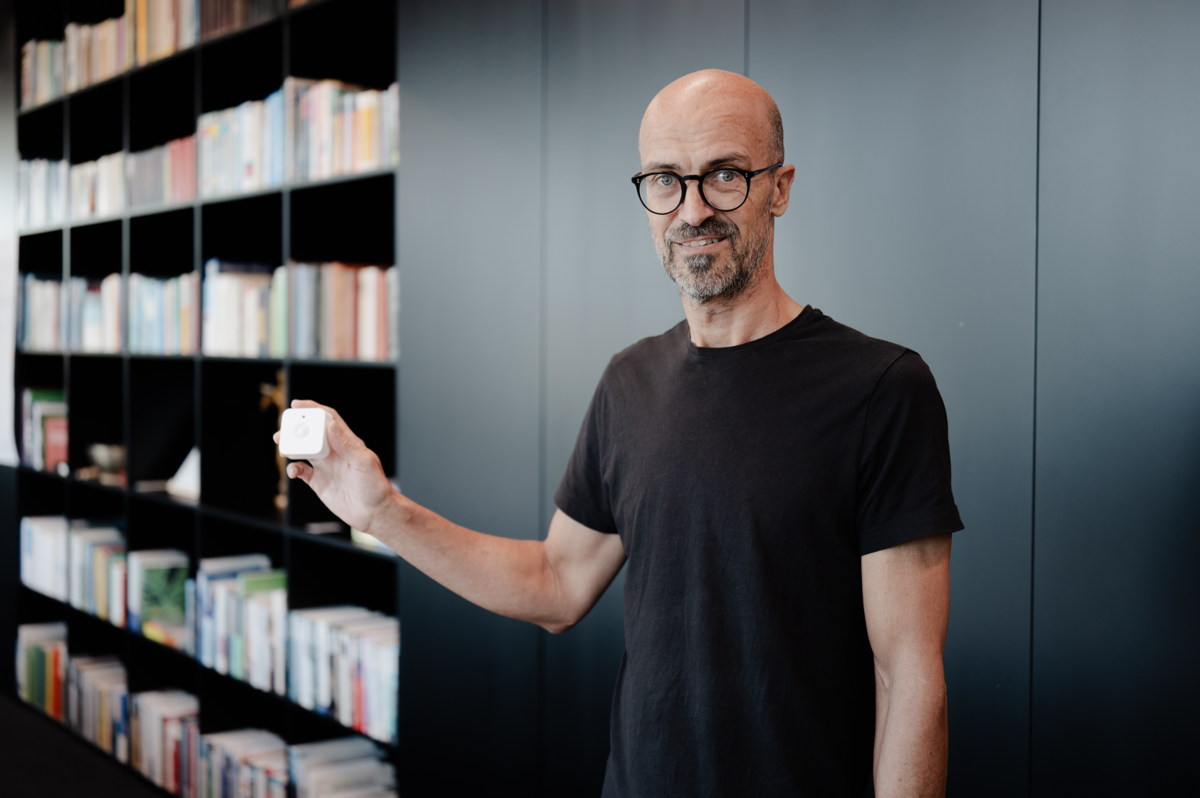
Many family members are familiar with this concern. At the same time, older adults want to live independently in their familiar surroundings for as long as possible. Researchers at the Human-Centered Technologies (HCT) research centre at FHV, the team behind the GetNotified app, are addressing these issues. Using smart and unobtrusive sensors, changes in daily life can be detected and alerts can be triggered. The goal is not to monitor people, but to detect situations early on in which support might be helpful.
A growing societal challenge
The population is aging, while at the same time, nursing and care facilities are under increasing pressure. Skilled workers are becoming scarcer, families often live geographically apart, and many older adults wish to remain independent for as long as possible.
Digital technologies cannot replace these developments, but they can make an important contribution. They provide additional security in everyday life and help family members and caregivers detect changes early on.
Research that puts people first
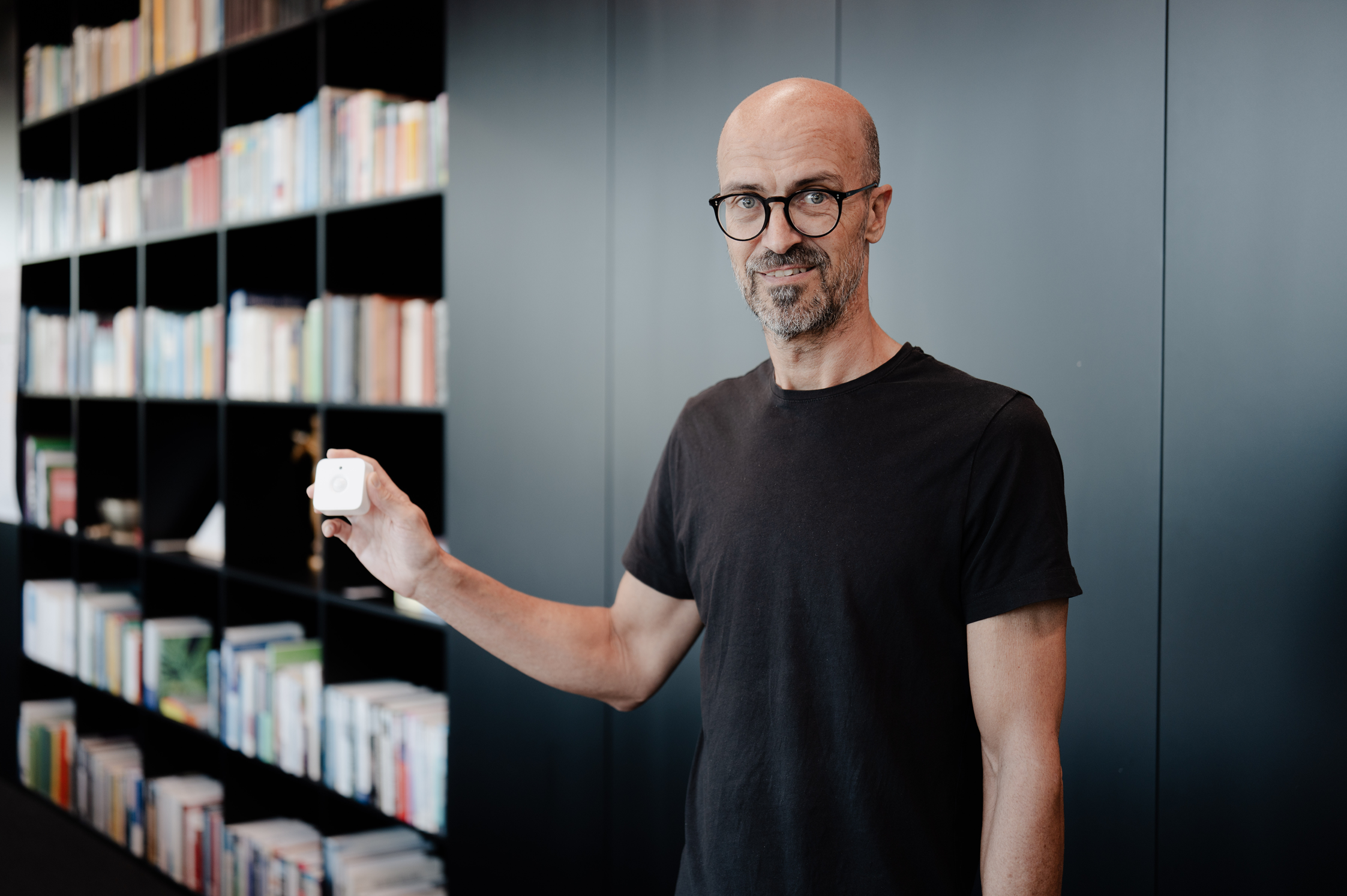
At the HCT Research Centre at FHV, researchers are investigating how digital health applications can be designed to be practical, trustworthy, and easy to understand. The GetNotified app analyzes movement patterns within the home, detects changes in daily routines, and notifies family members or caregivers when necessary.
For example, it can identify changes in bedtime and wake-up times, more frequent nighttime awakenings, or noticeable changes in overall physical activity.
“Changes in daily routines are often slow and gradual, making them difficult to assess from the outside. The long-term recording and analysis of movement data helps make these changes visible,” explains Walter Ritter, project manager and researcher at the HCT Research Centre at the FHV.
An example from a project illustrates the potential of this approach: After a change in medication, a decline in sleep quality was observed in a person receiving care. Once the medication was adjusted, the person’s condition quickly returned to normal.
To protect users’ privacy, GetNotified relies on simple motion sensors rather than cameras or wearables. “Data protection, transparency, and user acceptance play just as important a role in research and development as the technical development itself,” emphasizes Walter Ritter.
Where the journey is headed
In the future, intelligent notification systems could be integrated even more deeply into residential and care concepts. They could detect changes early on, better account for individual health trajectories, and provide more targeted support to family members, caregivers, and healthcare facilities.
“Our goal is an unobtrusive, reliable system running in the background that provides peace of mind for family members and those receiving care without placing a burden on those involved. It should convey the reassuring feeling that everything is fine and only alert users when action is actually needed,” summarizes Walter Ritter. “In this way, technology can help combine quality of life, safety, and self-determination in old age.”
Contact:
Dipl.-Ing- (FH) Walter RITTER
Senior Lecturer
+43 5572 792 7304
walter.ritter@fhv.at