The most important subject that nobody studies—YOUR (BREAST) HEALTH
01.10.2026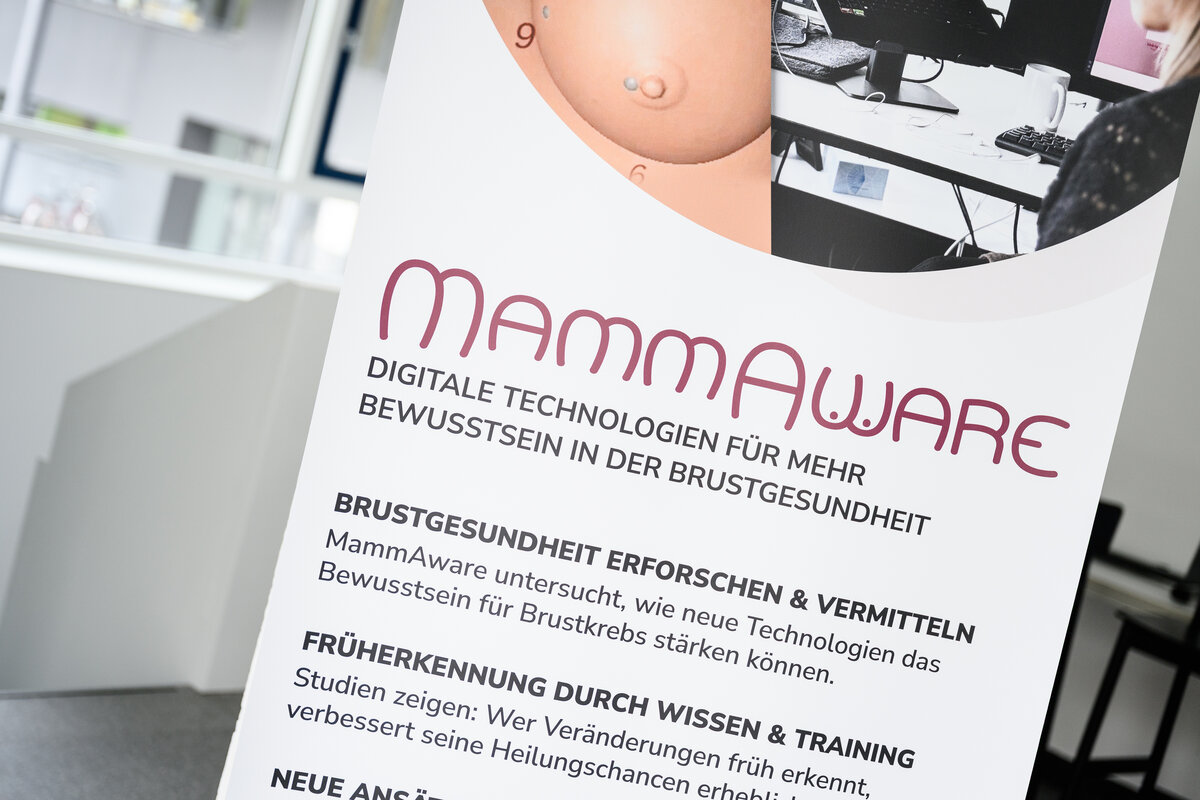
Every day, we make decisions about our health: What information do we trust? What preventive measures make sense? And how can we detect changes in our bodies early on?
“To me, health literacy is like a recurring tax: It’s not just something that comes up at specific preventive care appointments, but something that’s with us every single day. That’s why it belongs in the education system from the very beginning—for example, firmly embedded in biology classes,” emphasizes Nadja Will, an expert in health and cancer communication. “Statutory and supplemental early-detection programs are then important milestones, but those who have learned to be mindful of their own bodies take an active and self-determined approach to their health. The topic is underestimated because we often only start paying attention to health when it’s gone.”
Knowledge alone does not change behavior
The fact that education alone does not automatically lead to health-conscious behavior is particularly evident when it comes to breast health. Although the importance of early detection has been known for years, many women do not perform regular breast self-exams—or do so too infrequently.
“Many people know that early detection is important. Nevertheless, preventive care is often put off—perhaps due to uncertainty, lack of time, or simply because people feel healthy. That’s why it takes more than just knowledge: people need to know exactly how to take action and feel confident doing so,” says Hubert Jocham, project manager of the MammAware research project. This is where the MammAware project—funded as part of the Interreg VI program Alpenrhein-Bodensee-Hochrhein—comes in at the Human-Centered Technologies (HCT) research centre at FHV. Digital technologies help people learn how to perform breast self-exams and integrate them into their daily lives.
Research for Greater Health Literacy
“MammAware aims to translate health knowledge into practical skills. Digital technologies are designed to help people detect changes early, reduce uncertainty, and become more mindful of their own breast health,” explains Hubert Jocham.
The project’s findings extend far beyond breast health and demonstrate how digital technologies can strengthen prevention and health literacy.
From Research to Practice
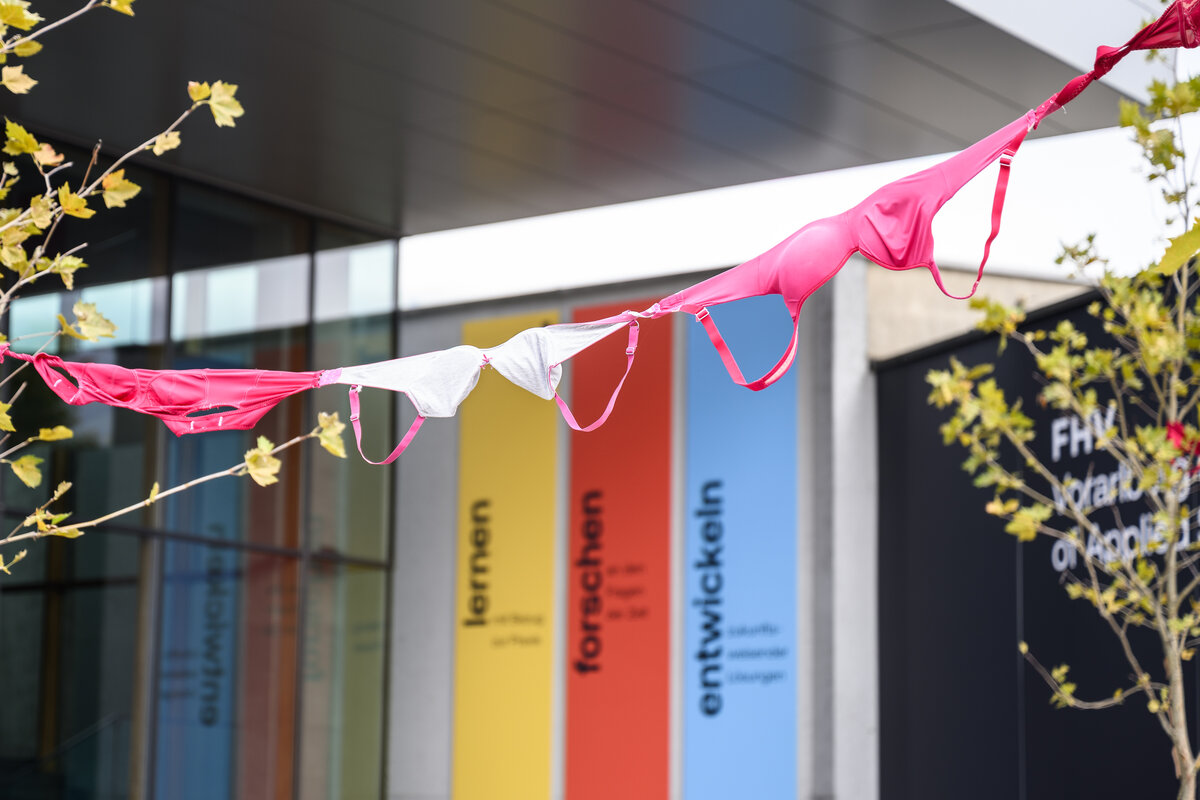
The Breast Health Action Day on October 9, 2026, at the FHV will focus on the question of how health literacy can be strengthened.
Through workshops, hands-on activities, and lectures, visitors can gain new perspectives on screening and prevention. The event will conclude with a keynote address by Nadja Will titled “The Most Important Subject Nobody Studies—Your (Breast) Health.” When asked about the title of her keynote, Nadja Will explains: “Above all, I want to give people courage and motivation. Fears are completely normal, and fear is actually a good thing in itself. It just mustn’t paralyze us or cause us to look away. It’s not about constantly searching for illness, but about actively living and helping to shape health literacy. Then we’ll be able to act early at every moment—for a long, vibrant, and active life.”
The awareness day highlights what research and education are all about: supporting people in making informed and self-determined decisions about their health.
Register for MammAware – Breast Health Action Day here.
Contact:

Dr. Hubert JOCHAM, MSc
Senior Lecturer
+43 5572 792 5904
hubert.jocham@fhv.at