A circular economy is more than just recycling
15.04.2026
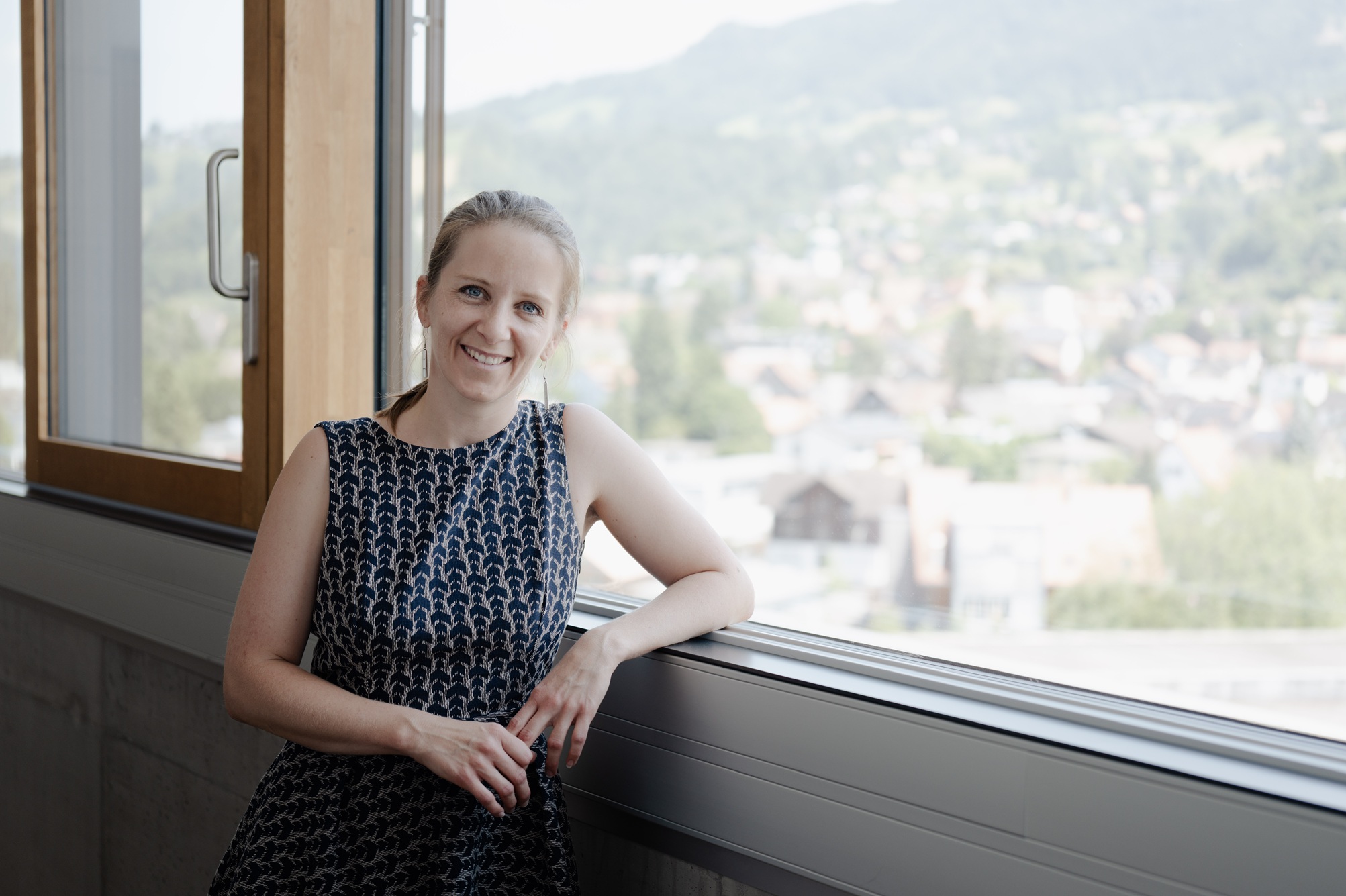
The circular economy is considered key to sustainable business and management practices, but it is often misunderstood. What does it really mean for companies? A conversation with researcher Nina Schneider.
The circular economy is often equated with recycling. Is that too narrow a view?
Nina: Yes, absolutely. Recycling is only one part of the approach—and actually tends to come toward the end. The circular economy means considering the entire life cycle of products—from raw material extraction through design and use to reuse. This stands in contrast to the linear economic system, in which raw materials are extracted, used, and then disposed of. The goal is to keep resources in the system for as long as possible and to prevent waste from the very beginning.
What are the core principles behind this?
Nina: At its core, it’s about three things: preventing waste, keeping materials in the cycle, and regenerating natural systems. While a completely closed loop is unrealistic, the key is to maximize the lifespan and useful life of raw materials.
What role do the so-called “R” strategies play?
Nina: They serve as a central framework for guidance. Strategies such as “Refuse” or “Rethink”—that is, consciously choosing not to produce certain items or fundamentally redesigning products—are particularly effective. These are followed by approaches such as reuse or repair, while recycling comes last. The key point is this: the greatest leverage lies right at the beginning—namely, in design. Products should be developed to be durable, repairable, and reusable. It’s equally important to design them so that, at the end of their life cycle, they can be easily disassembled and recycled into high-quality materials.
What does this mean specifically for companies?
Nina: This changes not only product development but also business models. Companies are increasingly thinking in terms of use rather than ownership and must reorganize their value chains. At the same time, additional requirements are emerging, for example regarding take-back, processing, and recycling systems. The circular economy is therefore not just a technological transformation, but above all a systemic and strategic one.
The circular economy is seen as a major opportunity: where are its limits?
Nina: It is sometimes overestimated when viewed as a panacea. There are physical and economic limits, for example due to material and quality losses. At the same time, its potential is often underestimated because it is reduced to recycling. When implemented correctly, it can lower resource consumption, reduce costs in some cases, increase security of supply, and enable new business models.
What role does research play in implementation?
Nina: Implementation is complex. Research helps, for example, by using new technologies, digital approaches such as product passports, or by analyzing entire value chains to reveal interconnections and develop concrete solutions. At the same time, however, there are still challenges, such as a lack of data, insufficient transparency, or challenges related to Business and Management.
And what role does the “Circular Lab” project—led jointly by FHV and the University of St. Gallen—play in this?
Nina: The Circular Lab is a platform that bridges research and practice. Together with partners, we develop concrete solutions and bring companies together to learn from one another. At the same time, we strengthen networks in the Lake Constance region and promote the exchange of best practices. This makes the circular economy gradually achievable.
What’s your final takeaway?
Nina: If you really want to keep resources in circulation, you have to fundamentally rethink value creation—across the entire value chain.
Contact
Dr. Nina Schneider, MSc
Scientist
Research Centre Business Informatics
+43 5572 792 3739
nina.schneider@fhv.at