A Conversation with Benedikt Reick
10.06.2026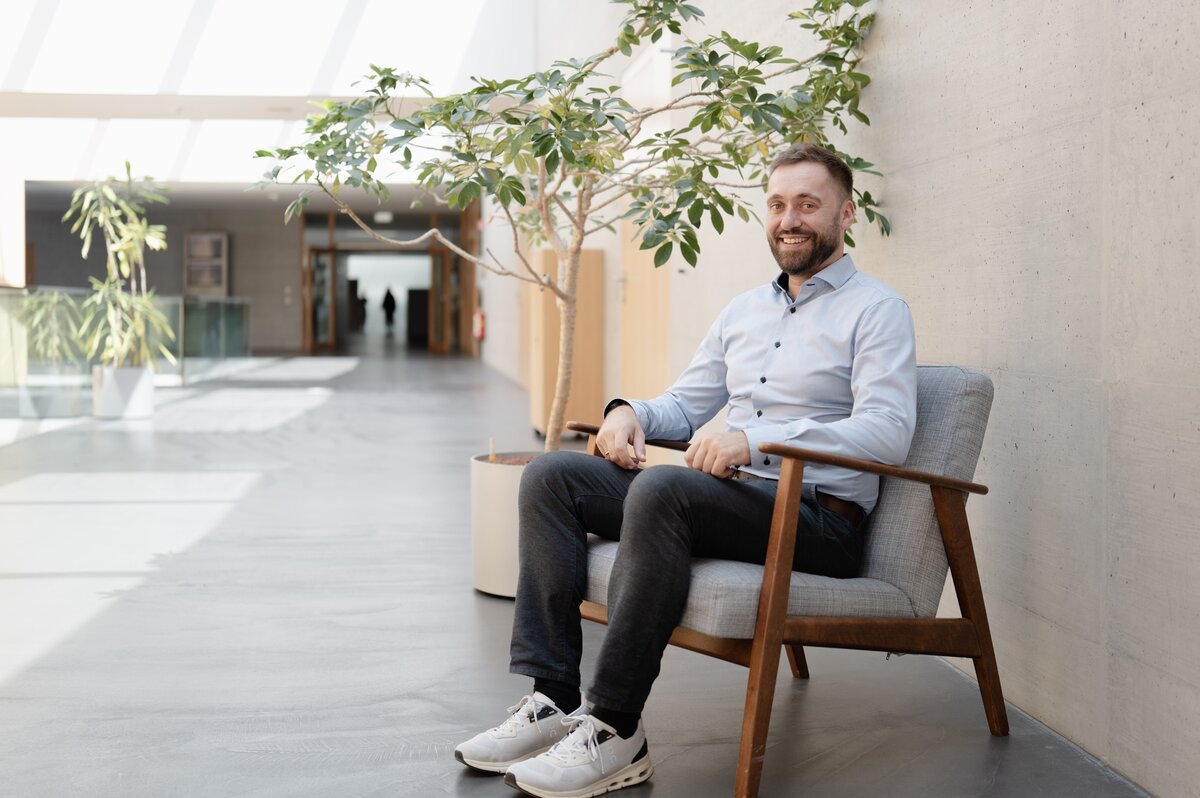
What personally led you to Mechatronics and research?
I actually came to Mechatronics quite naturally: from Mechanical Engineering through vehicle electrification to the intersection of mechanics and electrical engineering—exactly where I work today. It was mainly my curiosity that led me to research. The desire to truly understand technologies and to get closer to answering the question of what holds the world together at its core has always been there for me.
What particularly fascinates you about your role as programme director for the M.Sc. in Mechatronics and interim head of the Smart Engineering Technologies research group?
I’m fascinated by the close connection between research and teaching. Accompanying young people on their journey—from their bachelor’s to their master’s and on to their own research—and seeing them grow into confident experts is something very special to me.
What drives you in your work?
I’m driven by the joy of providing young people with a high-quality education and supporting them as they find their own path in Engineering and Technology, research, and development.
What is your research group currently working on, and what makes your work special?
We’re currently working in three areas that complement each other very well in Mechatronics: electronics for sensors and measurement systems, models of technical systems—such as for consumption forecasts in heavy-duty electric transportation—and new materials and innovative manufacturing processes like metal 3D printing.
What makes us special is the interplay of these disciplines and our networked approach to work. For example, insights from the development of energy-efficient electronics flow directly into the optimization of complex energy systems, such as in logistics centers equipped with photovoltaics and battery storage.
Close collaboration with other research centres at the FHV also plays an important role, particularly with the Microtechnology Research Centre and the Energy Research Centre. This leads to holistic solutions—from sensor technology to system optimization—that bring together different perspectives. At the same time, our work contributes to sustainability: for example, through energy-efficient electronics, environmental sensor technology to improve drinking water quality, or models that help companies design their energy and mobility more informed and sustainable ways.
What do you think makes these projects particularly exciting or forward-looking?
The electrification of mobility has been a focus of mine since my undergraduate studies and was also the topic of my doctoral dissertation. This path led me more and more toward electronics.
It struck me early on that key technologies like batteries or battery management systems are often simply purchased off the shelf. That’s why we started developing such systems ourselves, and that’s where my enthusiasm for electronics design came from.
In my view, we’re at an exciting juncture today: electric mobility is well advanced, and the big questions now lie in sustainable operation, stable grids, and resilient value chains. At the same time, digitalization and AI are driving energy demand even higher.
To me, it’s clear: we should once again focus more on building key technological capabilities in the areas of new materials, software, and electronics ourselves. That is precisely where something both forward-looking and sustainable lies.
What developments are crucial for advancing sustainable technologies—and what do you think is particularly important in this regard?
I believe it’s time to revive a sense of identity that we’ve lost. We should be proud of technologies “made in Austria” or “made in the EU.” You can only truly excel at what you develop yourself and continuously improve.
This applies just as much to Engineering and Technology as it does to sports or music: no one wins by leaving the training to others. If we truly want to advance sustainable technologies, we must have the courage to develop, test, and refine them ourselves—that, to me, is the key.
What are you particularly enjoying working on right now—and what advice would you give to young people interested in Engineering and Technology and research?
At the moment, I’m focusing intensively on further developing our research group and revising the Mechatronics master’s degree programme. My goal is to create an environment where we can put good ideas to the test, develop strong projects, and gradually build up our own capacity to shape the future.
It’s especially important to me to integrate research and teaching even more closely and to give young people early access to research. My advice: Just stop by, roll up your sleeves, and get involved. Engineering and Technology thrive on experimentation, active participation, and collaborative Design.
About the Person
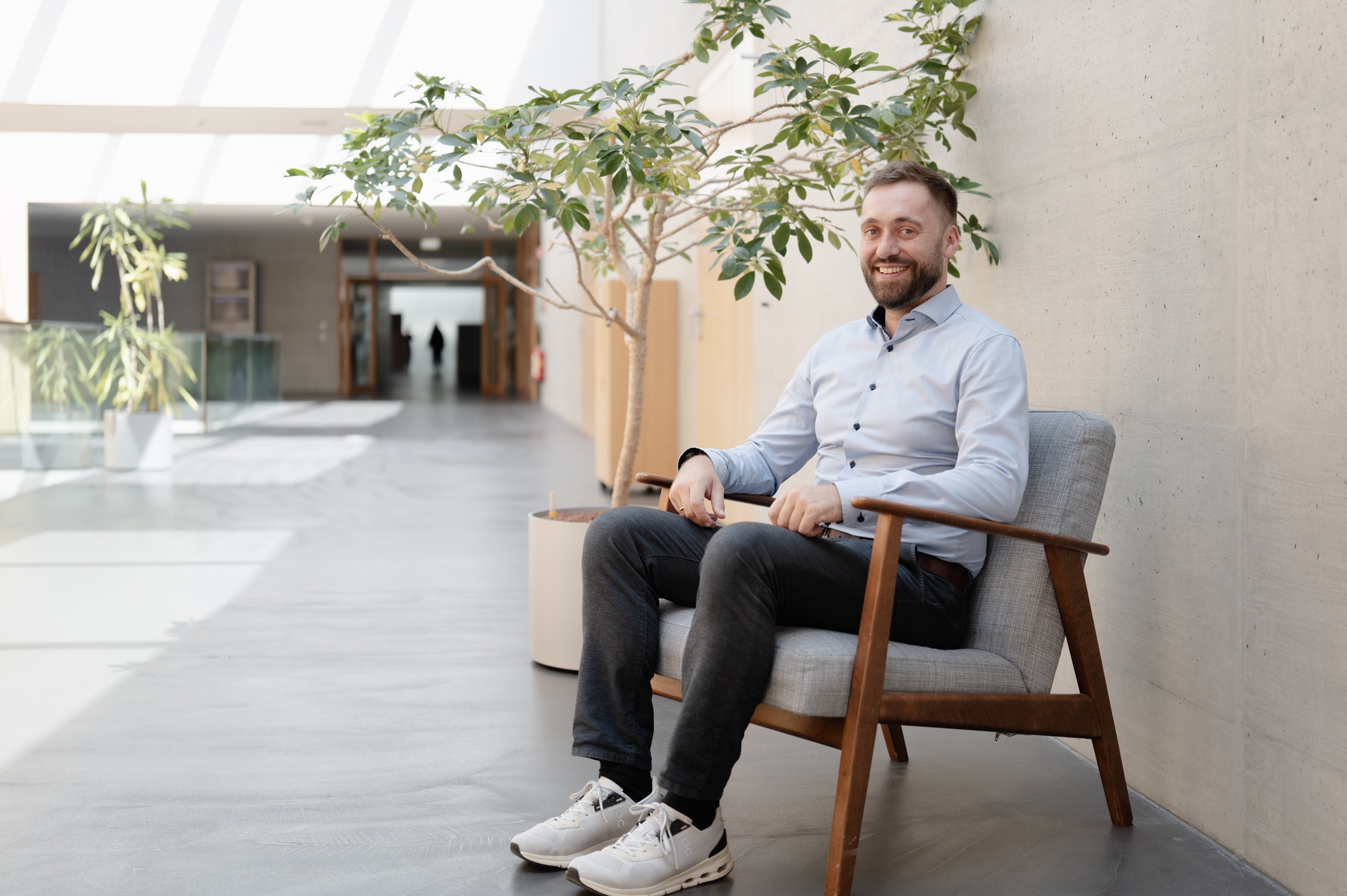
Benedikt Reick is the programme director for the Mechatronics M.Sc. program,e and interim head of the Smart Engineering Technologies research group at FHV. After studying mechanical engineering and spending several years in the field of vehicle electrification, his research focuses on the intersection of electrical engineering, system modeling, and new materials. In addition to his research, he is particularly committed to supporting the next generation of scientists and bridging the gap between research and teaching.
Contact
Prof. (FH) Dr.-Ing. Benedikt Reick
Programme director Master's Degree Programme Mechatronics,
Head of research group Smart Engineering Technologies
+43 5572 792 3581
benedikt.reick@fhv.at