Meeting of International Experts on Quantum Technology at the FHV
18.06.2026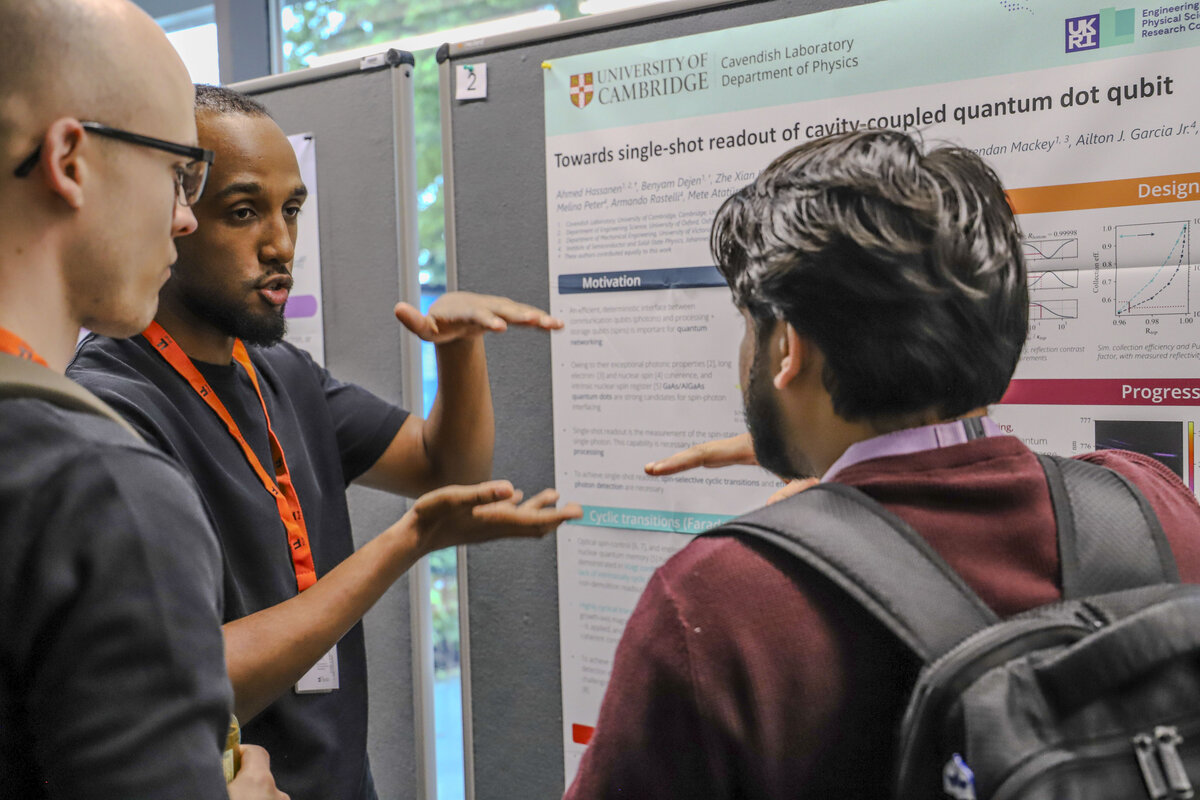
Key Takeaways:
- FHV brings cutting-edge international research to Dornbirn.
- Quantum technologies open up new possibilities for communication and computing.
- International networking is the key to future innovations.
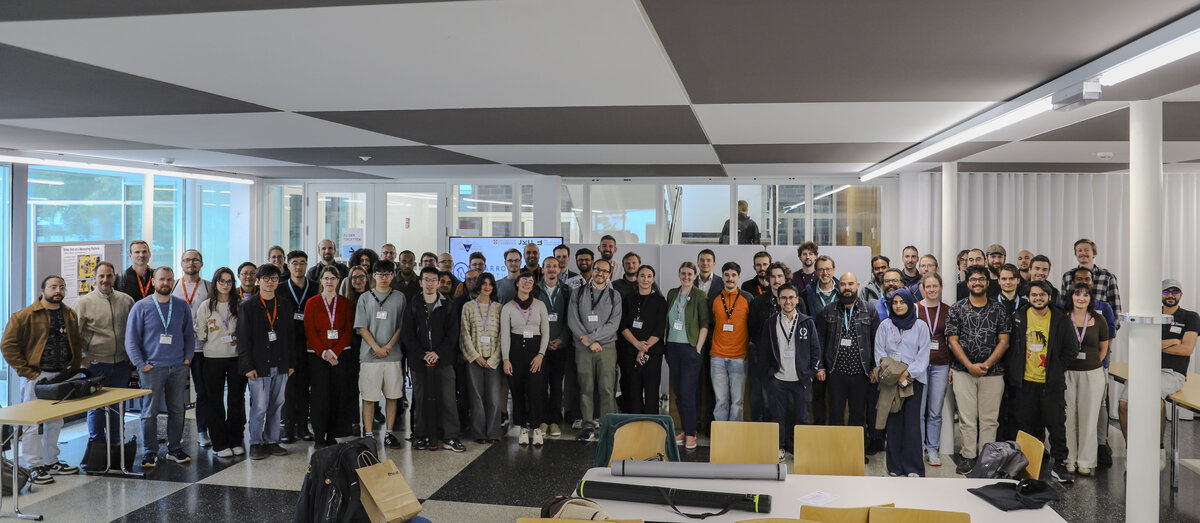
From June 10 to 12, the fourth “International GaAs Quantum Dot Workshop” took place, organized by the microtechnology research centre at FHV. Twenty-seven research groups from twelve countries exchanged ideas on current developments in quantum research and discussed prospects for future applications such as quantum communication and quantum computing.
A Platform for International Exchange
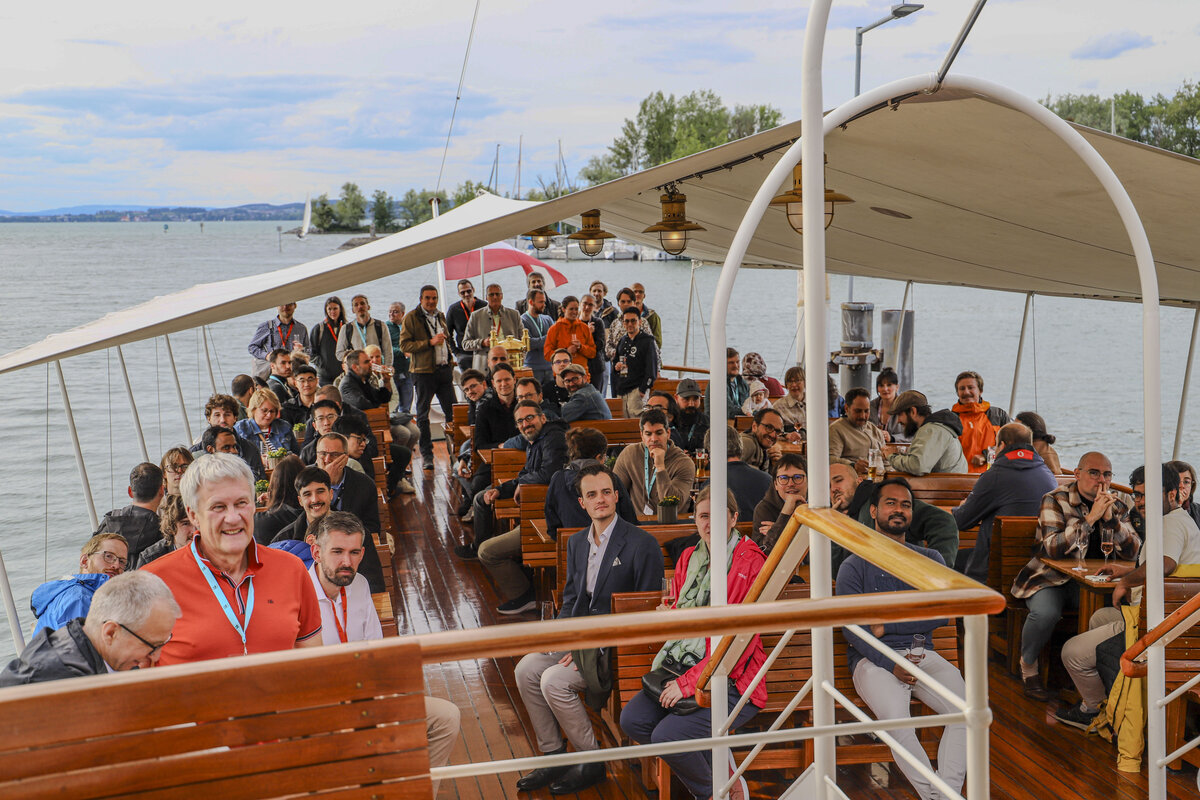
By hosting the workshop, FHV is positioning itself as a platform for international scientific exchange. The local organizers from FHV’s Microtechnology Research Centre—researcher Sandra Stroj and Director Fadi Dohnal—emphasize the importance of in-person meetings for developing new research collaborations and ideas: “It’s something special that we’re bringing together researchers from all over Europe and beyond in Dornbirn. Face-to-face interaction builds trust, sparks new ideas, and often lays the foundation for future collaborations.” The scientific exchange was complemented by an attractive social program—including a conference dinner aboard the historic Lake Constance steamship “Hohentwiel,” which provided an opportunity for informal networking. Many participants were enthusiastic not only about the organization and the research work at FHV but also about the region around Lake Constance, which offers ideal conditions for intensive exchange and networking. The focus of this high-profile event was on so-called quantum dots. These are nanoscale semiconductor structures that combine the properties of atoms and classical semiconductors and are considered a key technology for future quantum systems. Applications range from tamper-proof data transmission to novel information processing systems.
International Cooperation as a Prerequisite
The importance of international cooperation was emphasized repeatedly by the participating researchers. “Research thrives on cooperation and exchange,” explained Armando Rastelli from JKU Linz. Many innovations, he noted, arise only through direct dialogue between different disciplines. Dorian Gangloff of the University of Cambridge also emphasized that progress in this field is only possible through interdisciplinary and international collaboration: “Quantum technology requires contributions from physics, materials science, and engineering.”
Progress and Outstanding
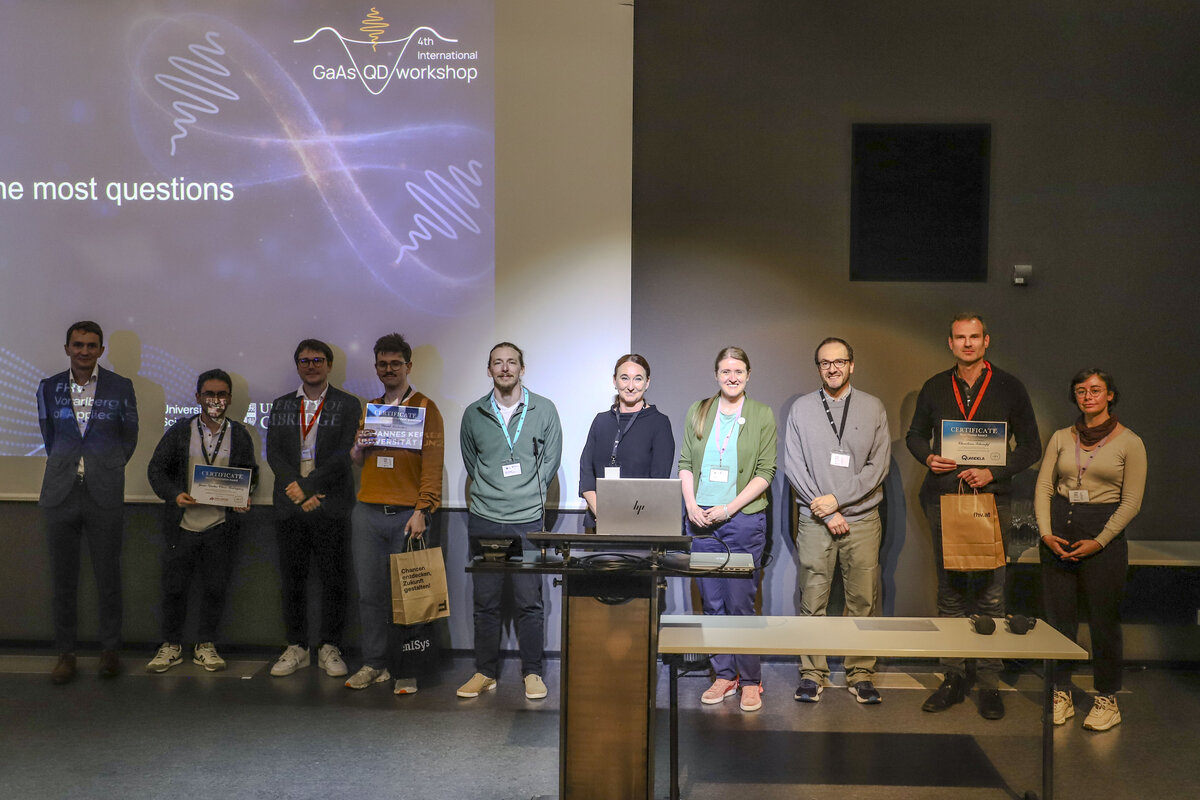
Challenges While specific applications of quantum communication are already a reality, key goals—such as a global quantum internet or stable quantum computers—remain the subject of intensive research. To ensure the future development of quantum sciences, supporting the next generation of scientists is particularly important. “It was a special pleasure to honor talented young scientists with awards for the best poster, the best presentations, and the most questions,” summarized Doris Reiter from TU Dortmund University. The awards recognize scientific achievements and encourage exchange within the international research community. The workshop included technical presentations, poster sessions, and discussions on topics such as quantum optics, spin and charge physics, as well as applications in quantum computing and technology.
Contact

Dipl.-Ing. (FH) Dr. Sandra Stroj
Senior Scientist
Research Center Microtechnology
+43 5572 792 7207
sandra.stroj@fhv.at