Vorarlberg as a pioneer region for electric buses
06.05.2026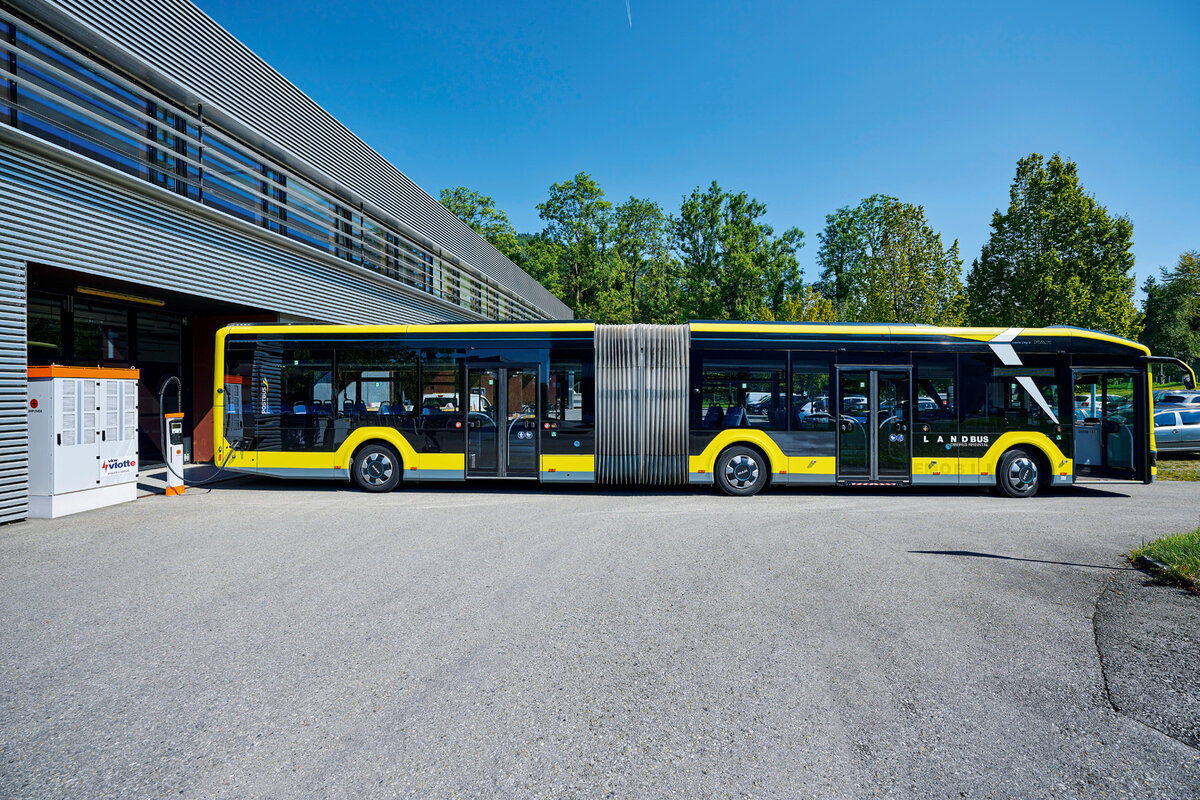
Key Takeaways:
- Vorarlberg is a pioneer: A large portion of the bus fleet is already electric
- Electric buses are not a sure thing: Efficient operation requires the precise interplay of many factors
- Simulation and optimization are key: Digital models enable realistic planning and better decisions
- Topography has a dual effect: it poses a challenge in terms of energy consumption but also offers efficiency potential through regenerative braking (energy recovery during braking)
- Concrete benefits for companies: better planning, lower costs, higher efficiency
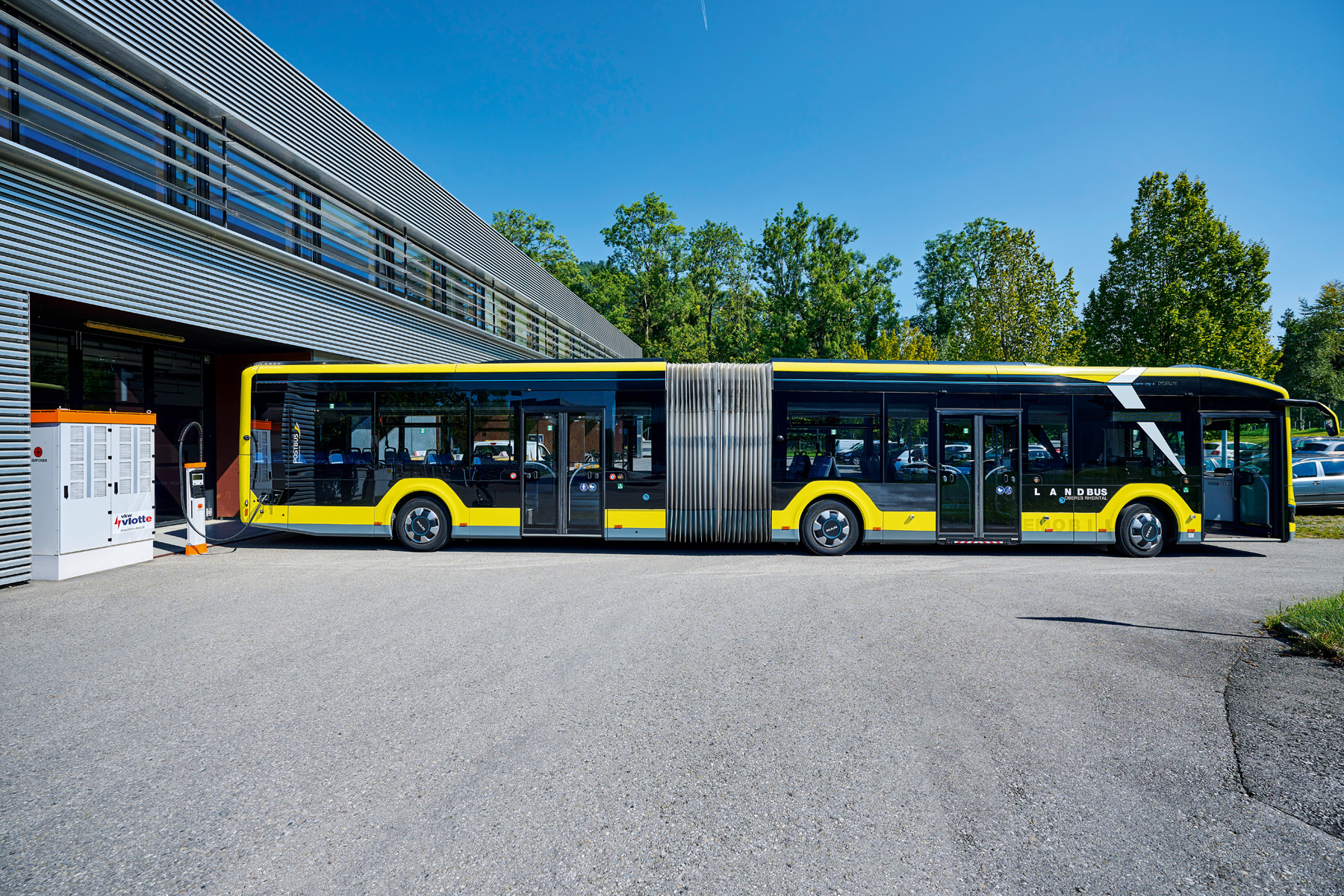
Vorarlberg is playing a pioneering role in the field of electric buses: Since early 2026, around 100 electric buses have been in service, and by mid-year, the fleet will grow to around 140 vehicles. This already represents a significant portion of public bus transportation.
The FreeE-Bus research project at FHV, in collaboration with several industry and research partners, is investigating how electric buses can be operated efficiently in regional scheduled service. Funding is provided by the European Interreg Alpine Rhine-Lake Constance-Upper Rhine programme.
The central challenge lies in the interaction of the individual components. “Range, charging times, schedules, topography, and the power grid must all align perfectly,” explains Stefan Hartmann from project partner illwerke vkw. “This is the only way to ensure reliable and cost-effective operation.”
Topography
A Challenge and an Opportunity This complexity is particularly evident in regions like Vorarlberg. Among other factors, steep gradients have a significant impact on the buses’ energy consumption. At the same time, these can also offer advantages: “In topographically challenging regions, energy is recovered through braking, which is particularly efficient,” says Arne Hitz from project partner Ravensburg-Weingarten University of Applied Sciences.
Simulation and Optimization Save Costs
To better understand these relationships, the research team digitally modeled the bus routes. “Using simulations and optimizations, we can calculate how the state of charge changes and determine the best time and power level for charging. This provides transit companies with a crucial foundation for their operational planning,” says Klaus Rheinberger, project manager at the Energy Research Centre at FHV, highlighting the benefits. In addition to infrastructure issues, factors such as power-dependent grid costs and electricity prices are relevant for charging. “Optimizing these from a Business Administration perspective is a complex task where universities can contribute their expertise,” explains Christian Eugster from project partner E-VO eMobility.
Publicly Available Solution
The FHV is coordinating the project as the lead partner and developing models that simulate the energy system of an e-bus fleet as realistically as possible. “There is significantly more leeway in operations than is often assumed,” Rheinberger concludes. The open-source solutions developed are available to interested companies and can also be applied in other areas, such as electric truck fleets.
In addition to the technical insights, the project highlighted the importance of collaboration between research and practice. “It is above all the combination of real-world operational data and scientific methods that yields solutions that work in everyday life,” emphasizes Hartmann.
Added Value for the Region and the Future of Transportation
The FreeE-Bus research project brings clear added value to the region: transportation companies can plan their fleets more effectively, use energy more efficiently, and estimate costs more realistically. At the same time, public transportation is gradually evolving into a climate-friendly and sustainable mobility system.
Contact
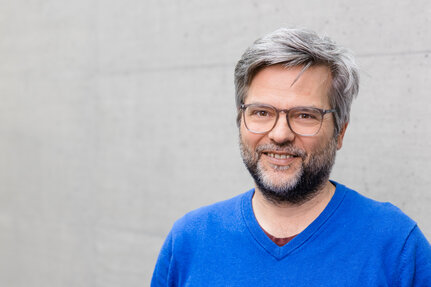
Klaus Rheinberger
Senior Lecturer
Research Centre Energy
+43 5572 792 3811
klaus.rheinberger@fhv.at