Sustainability at FHV: Not a trend, but a mission
05.03.2026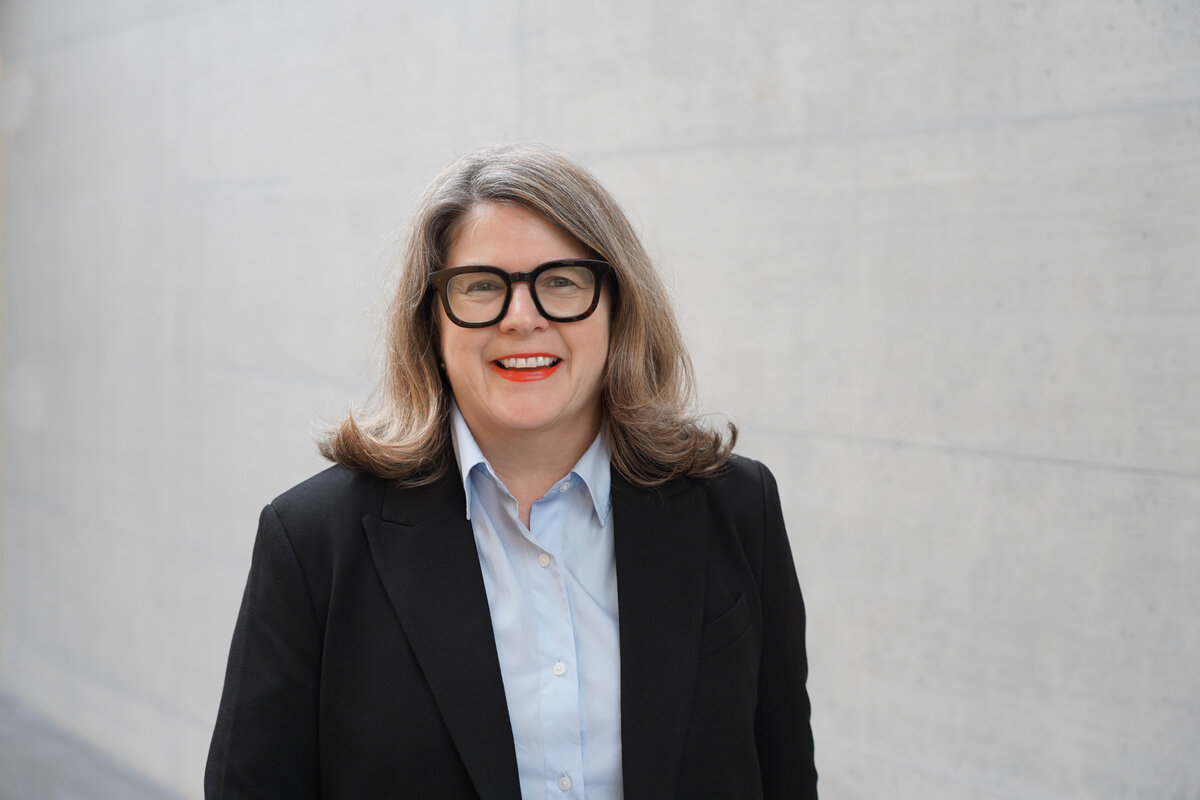
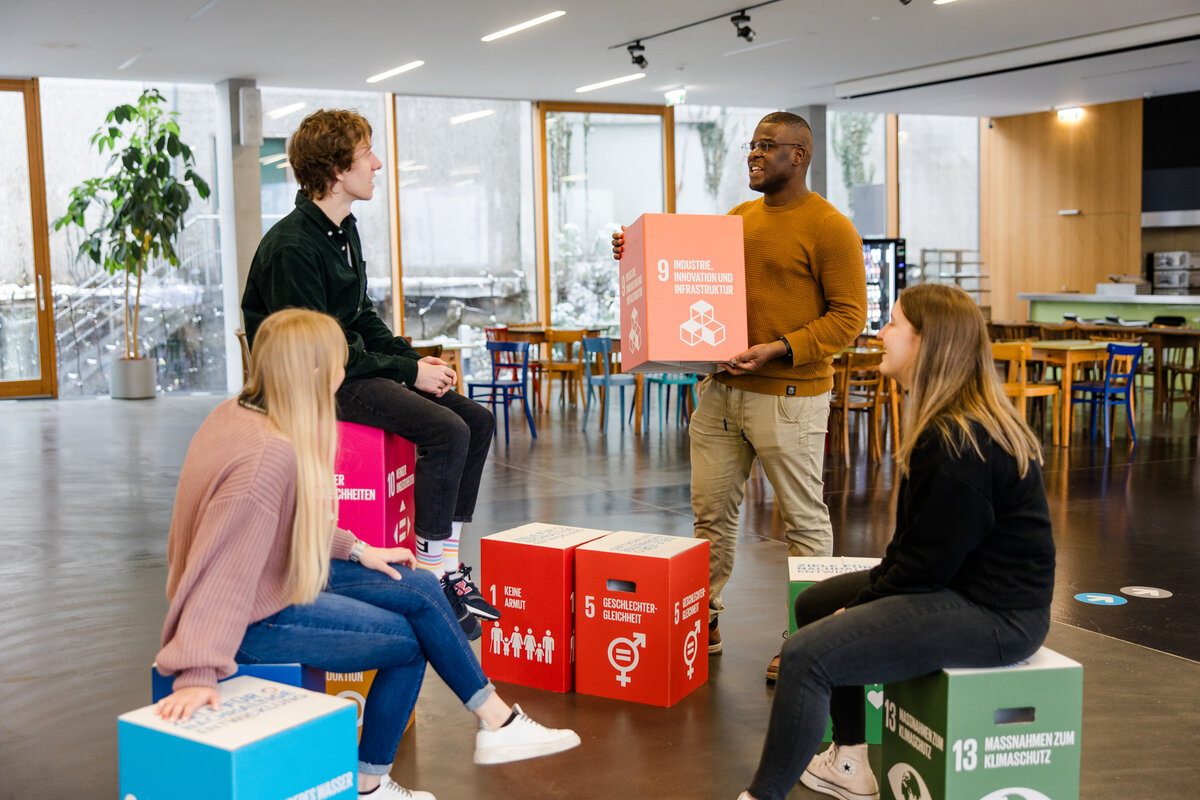

Sustainability has become less prominent. While it was still in the spotlight of social discourse a few years ago, it now seems to play a secondary role. In fact, it has the potential to unite society behind a common goal. In reality, however, it often seems to polarise opinion. Nevertheless, one thing is certain: the climate crisis is not taking a break. In addition, dwindling resources, loss of biodiversity and social inequalities require decisive action. This raises the question of how universities are dealing with this situation.
In conversation with Beate Pawle, responsible for sustainability at the FHV and deputy chairwoman of the Sustainable Universities Alliance, you will learn how sustainability is discussed and researched beyond trends in teaching, research and university administration, and what role sustainability plays in everyday life at the FHV – Vorarlberg University of Applied Sciences.
Sustainability seems to have lost importance in many areas of society. How do you perceive this development?
I see this as a clear mission for universities in particular: we must raise awareness, provide guidance and show that sustainability is not an option, but the basis for long-term competitiveness and, at the same time, for a liveable and sustainable society.
Part of this responsibility lies in strong science communication. Findings must be explained in a more understandable way and made more easily accessible. Only when they are widely disseminated can they have an impact on society – beyond specialist circles. At the same time, we are training the specialists and managers of tomorrow, who will act as multipliers, bringing sustainable thinking and action into companies, institutions and social structures.
Sustainability is much more than a moral imperative. It is the foundation for our future viability: the often-cited narrative of a supposed conflict between ‘the economy’ and ‘sustainable development’ does not hold water. Solutions to ecological and social challenges are not a hindrance, but a prerequisite for long-term economic success.
Since autumn 2025, you have been deputy chairwoman of the Sustainable Universities Alliance. What are your areas of activity and what priorities do you want to set?
At the Alliance for Sustainable Universities, we pursue the goal of holistically anchoring sustainability in teaching, research, university management and cooperation in line with the UN Sustainable Development Goals. Our aim is to systematically integrate sustainability into all areas – from individual courses to university development.
Networking and cooperative exchange are particularly important to me in this context. Especially in times when demarcation and competition often dominate, I believe that only cooperation can take us forward. Sustainability thrives on sharing experiences, learning from each other and developing solutions together. This is a continuous process of learning and action – and the Alliance offers the ideal space for this.
FHV, together with F.M. Hämmerle Holding AG, has received the UN Climate Protection Award for the sustainable design of the campus grounds. What makes this project so special?
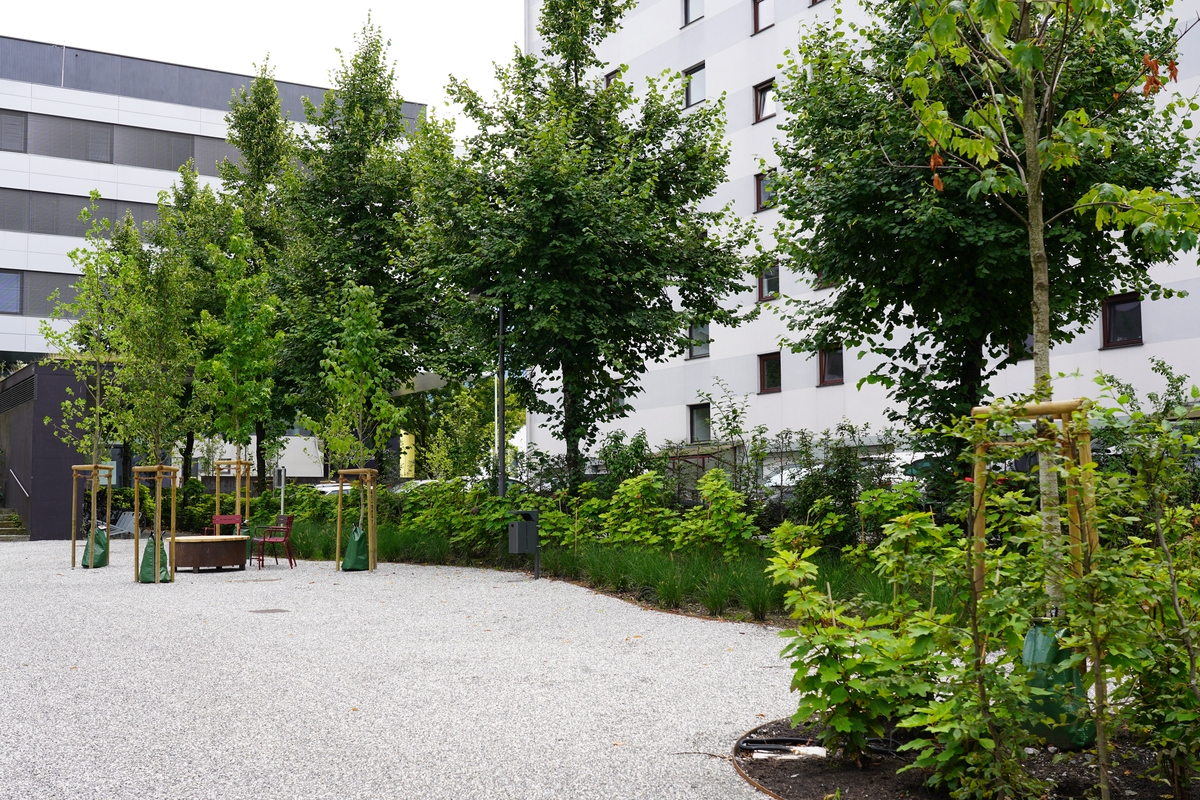
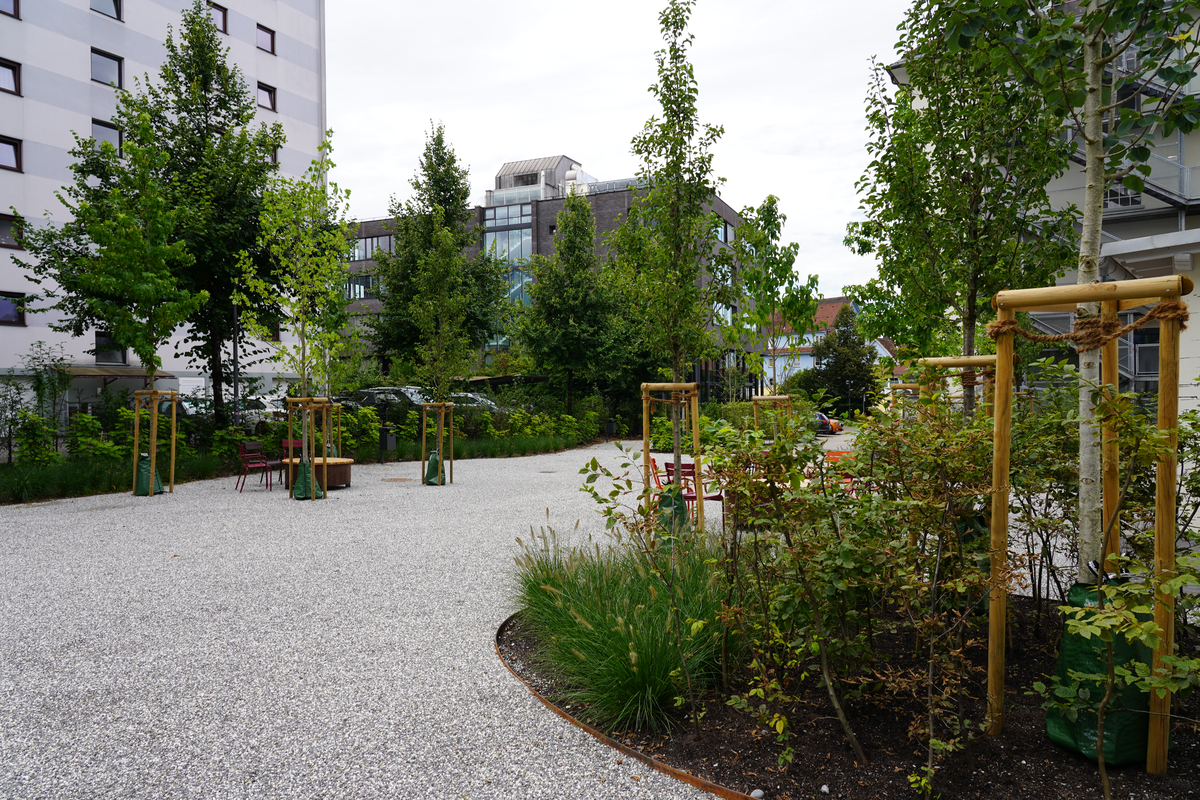
Throughout the entire redevelopment of the campus, including renovations, additions and new construction, FHV placed particular emphasis on ecological and social aspects. One project within the scope of the exterior design was the unsealing of the area from the ‘Sägenplatz’ to the main building. This involved removing 20 existing parking spaces and converting them into climate-resilient recreational areas. These areas promote biodiversity, provide space for people to meet and, at the same time, create climate-resilient places. The project is a successful example of climate protection in action and effective cooperation because it was realised across property boundaries. Part of the area is owned by F.M. Hämmerle Holding AG, which actively supported and contributed to the project.
The campus is one thing, but how do students experience sustainability at FHV beyond that?
Students at FHV can experience sustainability at different levels. Academically, this depends on the respective degree programme: while it is a key focus in some fields of study – such as green technology, energy, mobility or sustainable management – in other degree programmes it is primarily addressed from a societal or social perspective.
This is reflected, for example, in the fact that eight students from various bachelor's and master's programmes at FHV were awarded the KLIMA BILDUNG AWARD by the KLIMACENT platform last year for their final theses.
Furthermore, sustainability is also evident in the way students learn and teach, collaborate and take responsibility. One example of this is the future skills that are taught in all degree programmes. Skills such as systemic thinking, interdisciplinary collaboration, critical questioning and the conscious use of resources enable students to deal with complex social challenges. Sustainability is therefore not only reflected in the content, but also in the attitudes and skills that students develop during their studies.
You say that sustainability thrives on cooperation and mutual learning. How do you promote this exchange as the person responsible for sustainability at FHV?
On 14 April 2026, FHV will host its first Sustainability Day, which I was one of the initiators of. The programme is being organised primarily by students and colleagues from teaching, research and university services.
The Sustainability Day aims to show how sustainability is already being practised in many different ways at FHV – in projects, initiatives, research work and everyday university life. It is primarily aimed at students and staff at FHV, but external parties are also welcome to contact me if they would like to participate in workshops or lectures.
Sustainability arises from dialogue and the interaction of many actors – we offer a platform for this, and I would like to make an effective contribution to it.
What gives you the energy to keep pushing this issue forward?
As with any cause close to your heart, there are challenges. But when it comes to sustainability, the positive experiences outweigh the negative ones for me: the commitment of our university management, the dedication of many colleagues – for example, on Sustainability Day – and the constructive exchange within the Sustainable Universities Alliance and beyond.
I particularly appreciate the diversity of perspectives and the opportunity to develop and contribute – whether in teaching, in exchanges with students such as the climate puzzle, through interfaces with research, in collaboration with colleagues or in the alliance. What is important to me is a solution-oriented attitude that looks ahead. The feeling of self-efficacy, of experiencing that even small contributions have an impact, is also a source of motivation.
I see this as our mission as a university and my personal responsibility to actively shape and influence sustainable development.
About the person
Beate Pawle has been working at FHV as an executive assistant since 2016 and has been responsible for sustainability at FHV since 2024. Since October 2025, she has been deputy chairwoman of the Sustainable Universities Alliance.
Sustainability Day at FHV on 14 April 2026
An opportunity to exchange ideas, network and think ahead together
▷ View programme (PDF)
Interested parties can register with Beate Pawle at beate.pawle@fhv.at