Sustainability as a mission for the future
15.06.2026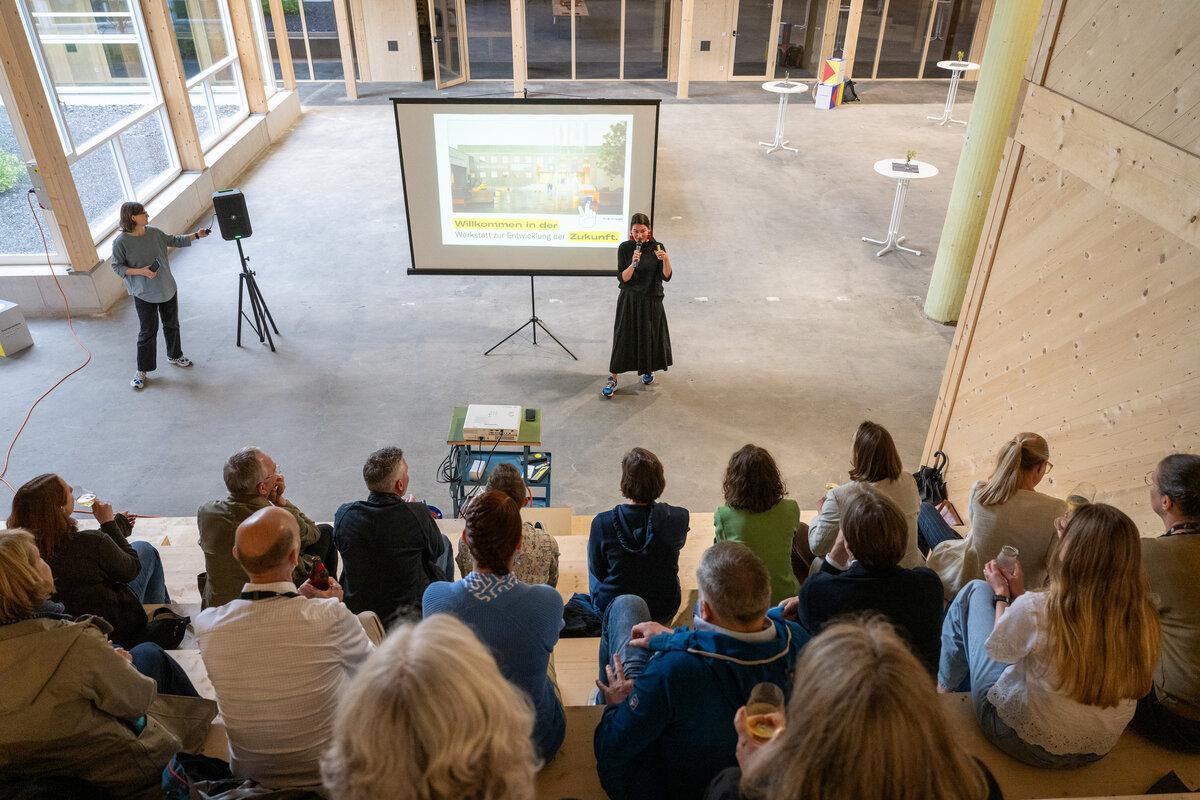
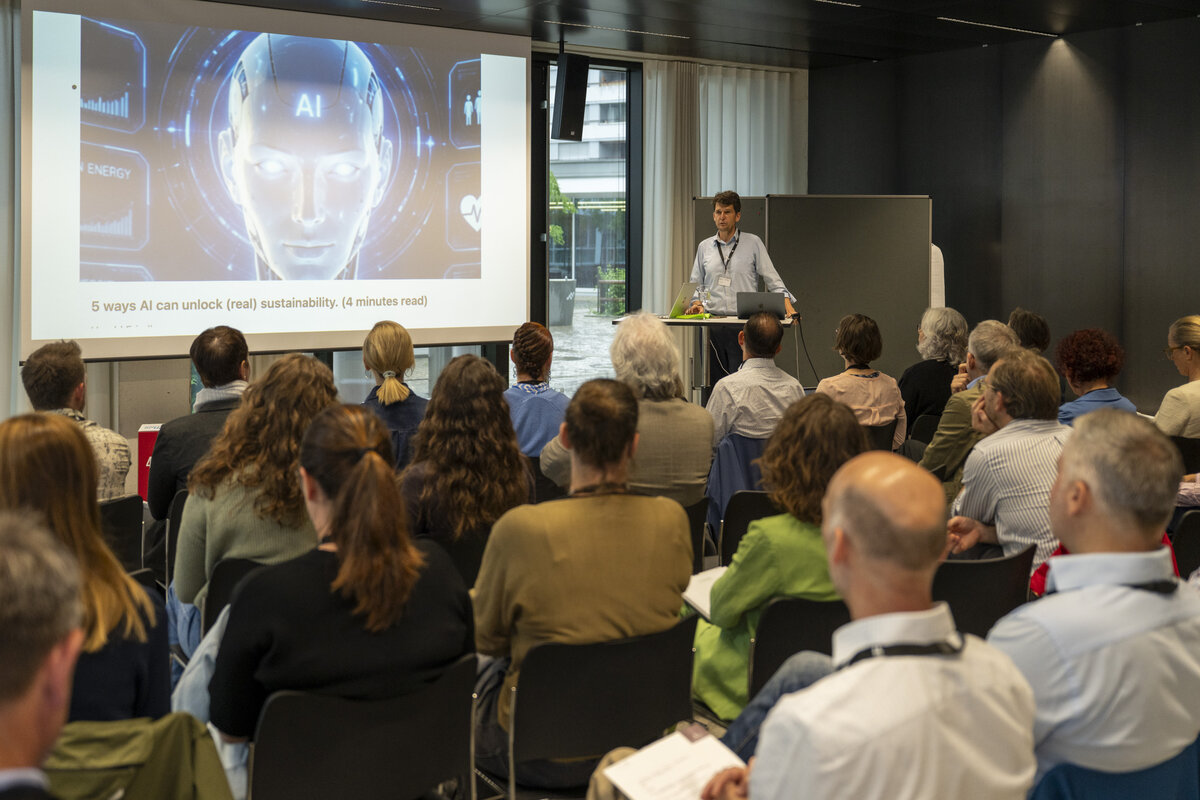
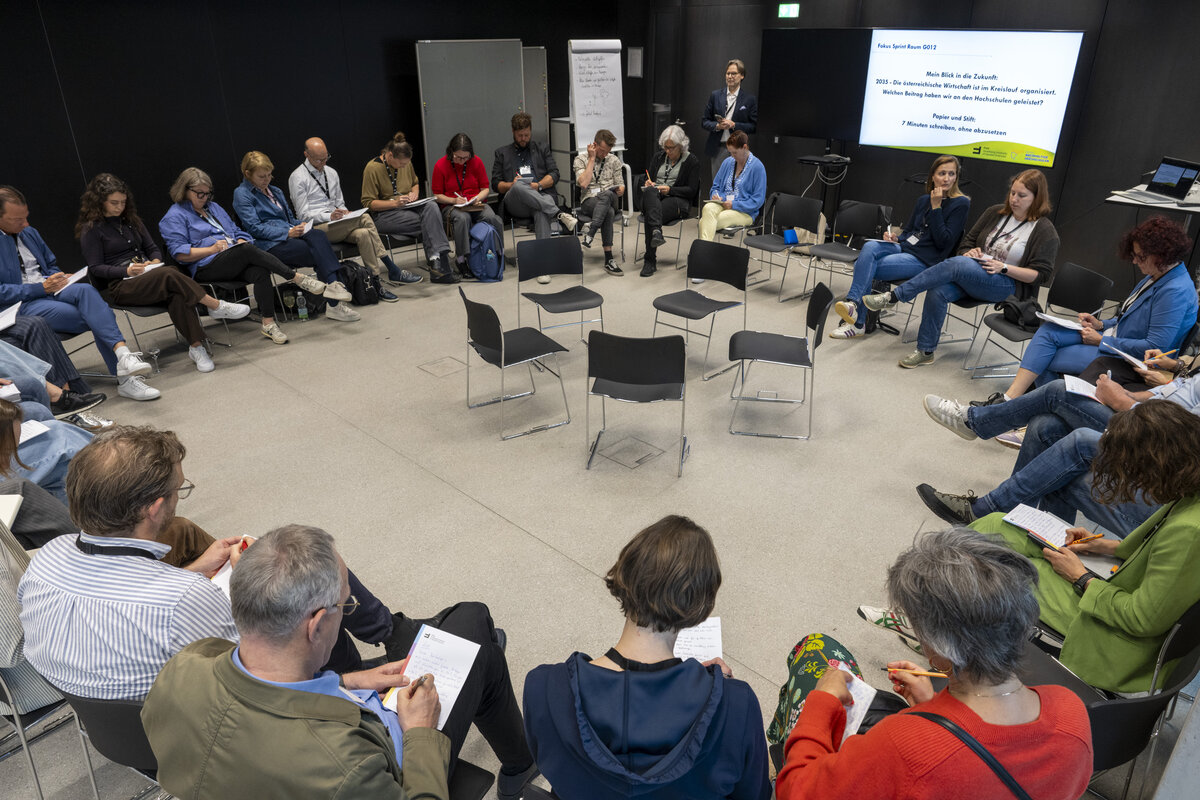
The 4th Annual Congress of the Alliance for Sustainable Universities, held at the FHV, explored how the circular economy and durability are opening up new avenues for business and society. The discussions covered not only environmental issues, but also economic opportunities and the social significance of sustainable transformation processes. Practical examples, inspiring ideas and the lively exchange between participants highlighted the central role that universities can play in shaping a sustainable future.
Practical solutions
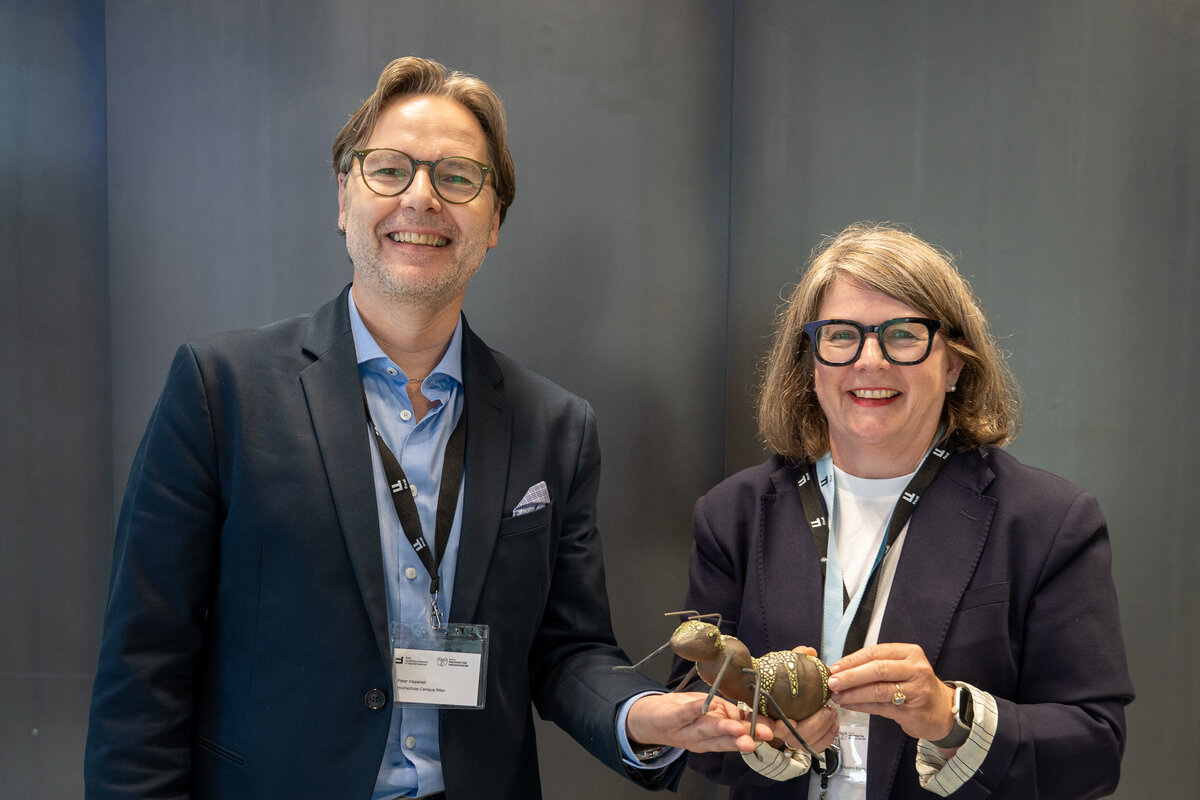
The co-chairs of the Alliance for Sustainable Universities, Beate Pawle from the University of Applied Sciences (FHV) and Peter Stepanek from Campus Wien University of Applied Sciences, emphasised in unison: “Sustainability is not achieved through individual projects, but through consistent action and collaboration. The congress has shown just how many innovative and practical solutions are already being successfully implemented at universities. The Alliance for Sustainable Universities provides a platform for cooperative exchange, shared learning and the development of new perspectives.”
Two keynote speeches, among others, provided substantive insights: “Growing – In times of crisis, we double down” by Harald Friedl, an expert in the circular economy, on sustainable leadership in challenging times. Karin Huber-Heim, Managing Director of the Circular Economy Forum Austria, spoke on the topic “Climate-neutral, circular, equitable: universities as spaces for shaping social change.”
In addition to the specialist presentations, the focus was above all on exchange and learning from one another. During a visit to CampusVäre, participants also gained an insight into sustainable neighbourhood development. The annual conference made it clear that universities play a central role in sustainable transformation and actively take responsibility through research, teaching and their own operations.
A sustainable future at FHV
Sustainability is firmly embedded in FHV’s strategy and is implemented as a cross-cutting theme in teaching, research, operations and governance. The aim is to actively support students, researchers, staff and partners on the path towards a more sustainable future. As a founding member of the Alliance for Sustainable Universities, the FHV focuses on networking and mutual exchange and, as part of the Mission ZeroV+ initiative, aims to significantly reduce CO2 emissions by 2040 at the latest. Concrete measures range from Eco-Profit certification, sustainable mobility management and family-friendly working and study conditions to the integration of sustainability topics into degree programmes and courses. The FHV also provides targeted impetus in research, for example through projects on the circular economy, sustainable energy systems, social innovation or technology-based solutions for health and care.